


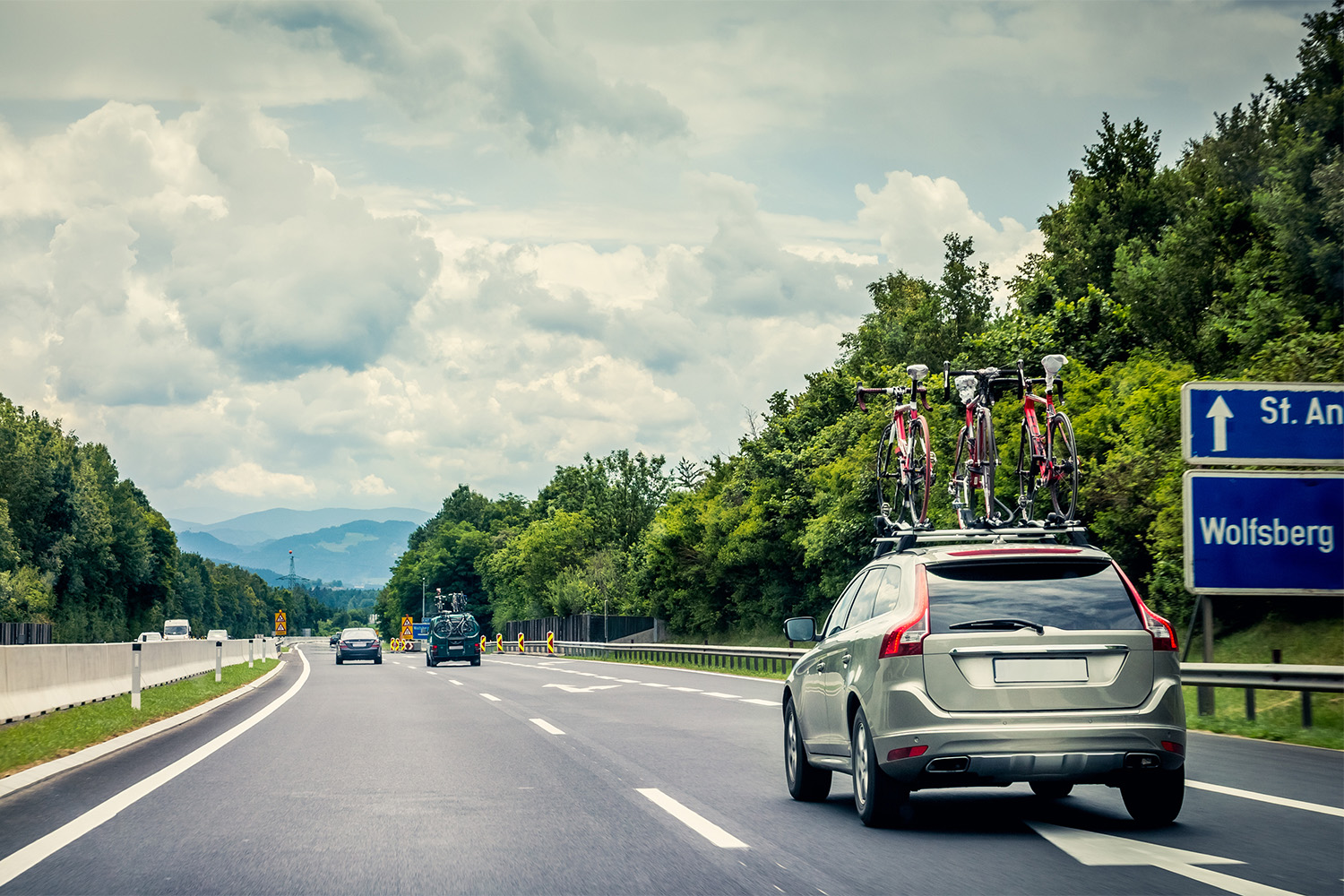
Obtaining a driver’s license in France can seem daunting for U.S. citizens, especially if you are accustomed to different regulations back home. Understanding the necessary steps, requirements, and nuances of the French system can make the process smoother and help ensure compliance with local laws. Here’s what you need to know to navigate this important aspect of traveling in France.
Understanding the Basics of French Driver’s Licenses
In France, obtaining a driver’s license involves several steps, which differ from the U.S. process. The French driver’s license is a crucial document that allows you to legally operate vehicles across the country. All drivers must be at least 18 years old and pass both a theoretical and practical driving test to obtain their license.
For U.S. citizens, the process may vary based on whether you hold a valid U.S. license and how long you intend to stay in France. If you’re visiting temporarily, you might be able to use your U.S. driver’s license along with an International Driving Permit (IDP). However, for longer stays or if you plan to live in France, you will likely need to obtain a French driver’s license.
Types of French Driver’s Licenses
In France, there are different categories of driver’s licenses depending on the type of vehicle you intend to drive. The most common license for personal vehicles is the category B license, which allows you to drive passenger cars weighing up to 3.5 tons. For larger vehicles, such as buses or trucks, you will need to apply for a specific category license, which involves additional training and testing.
Understanding which license you need before applying can save you time and ensure you meet the right requirements. If you plan to drive motorcycles or moped, you will also need to obtain a motorcycle license, categorized under A or A1. A category A license is necessary for heavier motorcycles, while the A1 license covers lighter ones.
Requirements for U.S. Citizens Applying for a French Driver’s License
Before applying for a French driver’s license, U.S. citizens should familiarize themselves with the requirements. First, it’s essential to have a valid passport and proof of residency in France, such as a utility bill or rental agreement. If you’re exchanging a foreign license for a French one, you will generally need to present your existing license, a recent passport-sized photograph, and a completed application form.
There are specific documents and fees involved based on your country of origin and your previous license. If you hold a driver’s license issued in a country with special agreements with France, you may be eligible for a straightforward exchange. However, since the U.S. does not have a direct exchange agreement, you will likely need to go through the entire testing and training process to obtain a French license.
The Process of Obtaining a French Driver’s License

The process of acquiring a French driver’s license can be broken down into a few key steps. First, you will need to enroll in a driving school, which is recommended, as local schools will provide comprehensive training in both theory and practical driving skills. French driving schools offer various packages to suit different needs, so it’s worth researching multiple options to find the best fit for your budget and schedule.
Next is the theoretical exam, which tests your knowledge of French traffic laws, road signs, and safety regulations. The exam is conducted in multiple-choice format and can be taken in several languages, including English. After successful completion of the theoretical exam, you will progress to the practical driving test.
The practical test will assess your ability to operate a vehicle safely and obey traffic regulations. If you pass both exams, you will be issued a temporary permit while waiting for your official license, which will typically arrive by mail within a few weeks.
Costs Associated with Obtaining a French Driver’s License
Expenses related to obtaining a French driver’s license can add up quickly. On average, you should budget anywhere between €1,000 and €2,500 for driving school, which includes classes and both theoretical and practical tests. The overall cost can vary based on your location, the school you choose, and the number of lessons required to prepare you for the exams.
Once you pass your tests, additional fees may include the cost of the application process, any medical examinations, and the issuance of your new license. Keep in mind that some driving schools might allow you to finance your lessons, which can alleviate the financial burden upfront.
Using Your U.S. Driver’s License in France
If you’re not planning a long-term stay in France and your stay is less than a year, you may not need a French driver’s license. Most visitors can use their U.S. driver’s license alongside an IDP, which is a translated document that serves as an additional form of identification and proves your ability to drive.
The IDP can be obtained through AAA or AATA before you leave the U.S. Ensure that your U.S. license is valid for your entire stay in France, as driving without a valid license can result in severe penalties, including fines or confiscation of your vehicle.
Understanding French Driving Laws and Regulations
Familiarizing yourself with French driving laws is crucial for a smooth and safe driving experience. Speed limits differ from those in the U.S., with most highways allowing speeds of up to 130 km/h (81 mph) in good weather and lower limits in urban areas. Seat belts are mandatory for all passengers, and using a mobile device while driving is strictly prohibited unless using a hands-free system.
Moreover, France has a zero-tolerance policy toward drinking and driving. Blood alcohol limits are lower compared to the U.S., so it’s best to avoid alcohol entirely if you’re planning to drive. Always keep essential documents, including your driver’s license, IDP, insurance details, and vehicle registration, in the car at all times.
Conclusion
For U.S. citizens, understanding the complexities of obtaining a driver’s license in France is vital whether you’re living, working, or simply visiting. The process involves several steps, including passing necessary tests and providing various documents. Proper planning can lead to a smooth and enjoyable driving experience while ensuring that you adhere to local laws. Embrace the opportunity to enjoy the beautiful French countryside and bustling cities with your newfound freedom behind the wheel, but always remember to prioritize safety and compliance with local regulations.
What Makes Manuel Antonio the Best Spot for Snorkeling in Costa Rica?
By Town Of Traveller
FAQs
1. Can I drive in France with a U.S. driver’s license?
Yes, if your stay is less than a year, you can use your valid U.S. driver’s license along with an International Driving Permit (IDP).
2. How long does it take to get a French driver’s license?
Typically, it takes several months to go through driving school, pass both exams, and receive your license, depending on your readiness and availability.
3. What are the penalties for driving without a valid license in France?
Penalties can include substantial fines, points on your license (if applicable), and the potential for your vehicle to be impounded.
4. Do I need to take a driving test if I hold a U.S. license?
Yes, if you are a U.S. citizen and do not have an agreement allowing you to exchange your license, you must pass both the theoretical and practical driving tests.
5. What should I do if I lose my driver’s license while in France?
Immediately report the loss to local authorities and apply for a duplicate at your consulate or through the agency that issued your original license. Be prepared to provide identification and any required documentation.