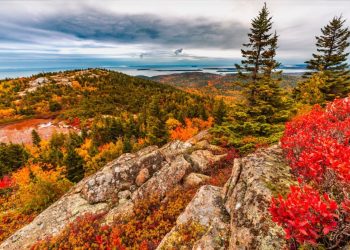


Embarking on a journey to hike up a mountain is a thrilling adventure that promises breathtaking vistas, physical challenges, and a profound sense of achievement. Scaling a mountain is a pursuit that beckons both seasoned hikers and novices, offering a blend of natural beauty and personal triumph that’s unique to each ascent.
In this guide, we’ll navigate the intricacies of mountain hiking, from preparation to celebration, ensuring a fulfilling and safe expedition into the great outdoors.
Why Hiking is Popular
One significant factor is the escape from the daily grind. Hiking offers a respite from the hustle and bustle of urban life, immersing individuals in serene landscapes where the only sounds are rustling leaves and chirping birds. It’s a chance to unplug, breathe in the fresh air, and rejuvenate both physically and mentally.
Moreover, the burst of physical activity and challenge it presents is a magnet for those seeking adventure. Hikers embrace the unpredictability of terrain, weather, and encounters with wildlife, providing a burst of excitement that everyday routines often lack.
Additionally, the community aspect cannot be overlooked. Hiking fosters connections, with hiking clubs and groups forming to share experiences and knowledge. It’s a social endeavor that brings people together.
Hiking up a mountain considerations for Beginners
For beginners, setting foot on a hiking trail can be an exhilarating yet perplexing experience. The burst of excitement is undeniable, but there are essential considerations that ensure a safe and enjoyable adventure.
First and foremost is selecting the right trail. Novice hikers should opt for well-marked paths with clear signage and moderate difficulty levels. This minimizes the risk of getting lost and ensures a manageable challenge. Researching the trail’s length, elevation gain, and terrain is crucial to gauge your fitness and readiness.
Proper gear is another vital consideration. Invest in sturdy, comfortable hiking boots to protect your feet and ankles. Dress in layers appropriate for the weather, and always carry essentials like a map, compass, first-aid kit, and sufficient water and snacks.
Safety should be a top priority. Inform someone of your hiking plans and expected return time. Stick to established trails to reduce risks, and familiarize yourself with basic wilderness survival skills.
Creating a comprehensive gear checklist is essential to ensure a successful and enjoyable hiking experience. It might seem overwhelming for beginners, but having the right equipment is crucial for your safety and comfort on the trail.
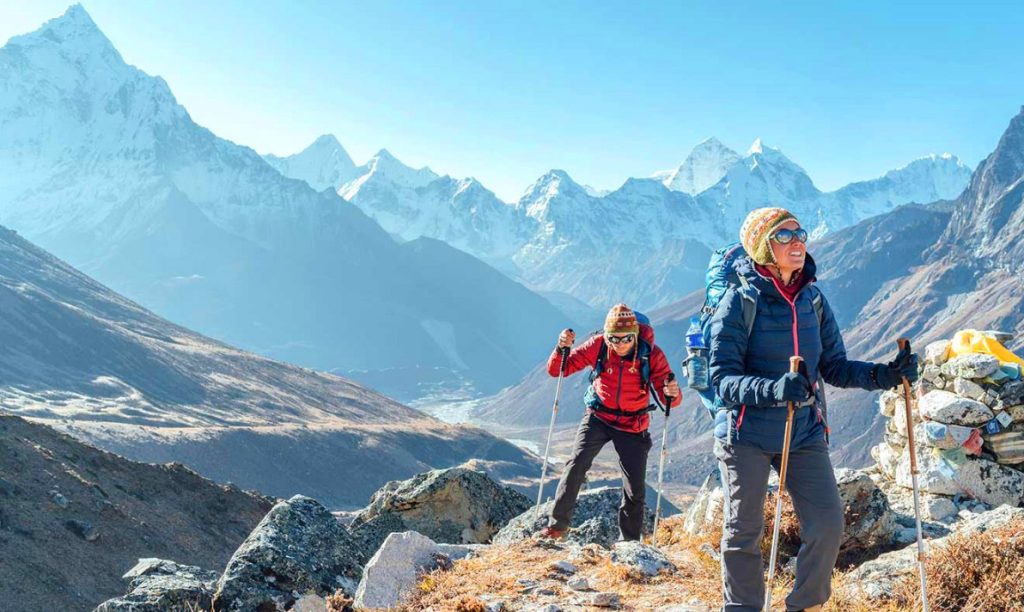
Gear Checklist
- Hiking Boots: Invest in high-quality, well-fitting hiking boots to protect your feet from rough terrain and provide support.
- Clothing Layers: Dress in moisture-wicking base layers, insulating mid-layers, and weather-resistant outer layers to stay comfortable in various weather conditions.
- Backpack: Choose a comfortable, appropriately sized backpack with adjustable straps to carry your gear and distribute the weight evenly.
- Navigation Tools: Carry a map, compass, or GPS device to help you navigate the trail and stay on course.
- First-Aid Kit: Assemble a compact first-aid kit with essentials like bandages, antiseptic wipes, pain relievers, and any necessary medications.
- Hydration System: Stay hydrated with a water reservoir or water bottles. Include a water purification method for refilling from natural sources.
- Nutrition: Pack energy-rich snacks like nuts, dried fruits, energy bars, and consider a lightweight stove if you plan to cook on the trail.
- Clothing Accessories: Don’t forget a hat, sunglasses, gloves, and extra socks to protect yourself from the elements.
- Headlamp/Flashlight: Ensure you have a reliable source of light for emergencies and when hiking in low-light conditions.
- Multi-tool/Knife: Carry a versatile tool that can be useful for various tasks during your hike.
- Fire Starter: Include waterproof matches or a fire starter for emergencies or warmth.
- Sun Protection: Protect your skin with sunscreen, lip balm, and sunglasses to prevent sunburn.
- Emergency Shelter: Carry a lightweight emergency shelter like a space blanket or bivy in case of unexpected weather.
- Personal ID and Emergency Contacts: Keep identification and a list of emergency contacts with you, ensuring someone knows your whereabouts.
- Trash Bags: Follow Leave No Trace principles by carrying out all trash and waste from the trail.
Crafting your gear checklist may appear daunting, but it’s a crucial step in ensuring a safe and enjoyable hiking adventure. Adapt your list based on the specific trail and conditions, always putting safety and comfort first.
Starting the Ascent
Embarking on the ascent of a mountain is an exciting and somewhat perplexing moment for any hiker. It’s the point where anticipation and adrenaline combine, setting the stage for a burst of physical and mental engagement.
As you take those initial steps up the trail, remember that pacing is key. Begin at a comfortable rhythm that allows you to find your stride. Don’t rush; instead, focus on the mesmerizing surroundings. The forest’s gentle rustling, the soothing babble of a nearby stream, and the crisp mountain air all contribute to a sense of tranquility that contrasts the upcoming physical challenge.
Navigation is crucial, especially on less-traveled trails. Keep an eye on trail markers or use your map and compass to ensure you’re on the right path. This early part of the hike is about building familiarity with the terrain and your own capabilities.
Starting the ascent is like opening a new chapter in your adventure, one filled with discoveries, challenges, and a burst of accomplishment as you steadily make your way upward. So, take it step by step, embrace the journey, and let the mountain unveil its wonders at its own pace.
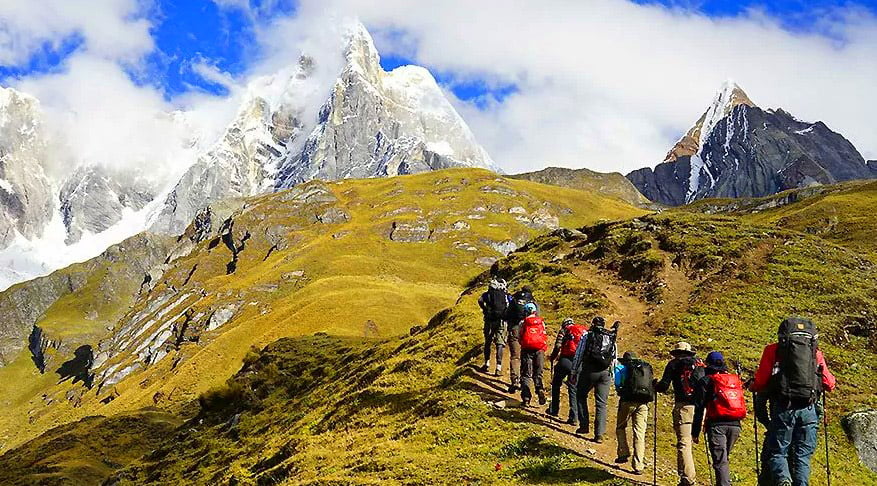
Tips for Mountain Safety
Ensuring safety whilehiking in mountainous terrain is paramount, and there are several perplexing yet invaluable tips to keep in mind, providing a burst of confidence and preparedness.
- Inform Someone: Before you embark on your mountain adventure, let a trusted person know your plans, including your intended route and estimated return time. This is essential for someone to alert authorities if you don’t return as expected.
- Weather Awareness: Mountains can have rapidly changing weather conditions. Stay informed about the weather forecast and be prepared for sudden changes. If conditions worsen, consider turning back.
- Hike with Others: Whenever possible, hike with a companion or a group. There’s safety in numbers, and it’s reassuring to have someone to assist in case of an emergency.
- Navigation Skills: Familiarize yourself with map reading, compass use, and GPS navigation. These skills are essential for staying on the right path.
- First-Aid Knowledge: Learn basic first-aid skills and carry a well-stocked first-aid kit. Be prepared to treat minor injuries and manage medical issues until help arrives.
- Wildlife Caution: Be aware of potential wildlife encounters. Keep a safe distance, make noise to alert animals to your presence, and know how to react in case of encounters, especially in bear country.
- Hydration and Nutrition: Stay well-hydrated and maintain proper nutrition during your hike. Dehydration can lead to fatigue and other issues.
- Emergency Equipment: Carry essential emergency equipment, such as a headlamp, extra clothing, a whistle, a fire starter, and an emergency shelter.
- Trail Etiquette: Follow Leave No Trace principles, respecting the environment and minimizing your impact on nature.
- Know Your Limits: Recognize your physical capabilities and don’t push yourself beyond your comfort zone. It’s okay to turn back if you feel unsafe or unwell.
- Cell Phone: Carry a fully charged cell phone with emergency contact numbers saved. However, don’t solely rely on it, as signal coverage in the mountains can be unreliable.
- Stay on the Trail: Stick to established trails to minimize the risk of getting lost.
Understanding Mountain Weather
These safety tips, while perplexing at times, are your key to a safe and enjoyable mountain hiking experience. They provide a burst of confidence, allowing you to fully appreciate the natural beauty and challenges that mountains offer.
Understanding mountain weather is vital for hikers, as it can be perplexing and subject to sudden bursts of change. The dynamic nature of mountainous regions demands careful consideration to ensure safety and enjoyment on the trail.
Mountain weather is characterized by its variability. It can shift rapidly from clear skies to stormy conditions. One essential tip is to check the weather forecast before your hike and be prepared for sudden changes. Pay attention to factors like temperature, wind speed, and precipitation.
Altitude significantly affects weather patterns. As you ascend, temperatures tend to drop, and conditions can become more challenging. Fog, rain, or snow can obscure visibility, making navigation perplexing. It’s crucial to dress in layers, including moisture-wicking base layers and weather-resistant outerwear, to adapt to these fluctuations.
Understanding cloud formations is another valuable skill. Darkening skies, rapidly forming clouds, or a halo around the sun can indicate impending weather changes. If you notice these signs, consider seeking lower ground or a safe shelter.
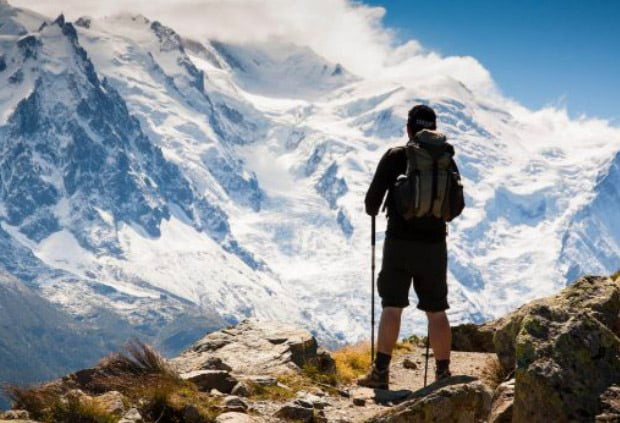
Dealing with Animals
Interactions with wildlife while hiking can be both challenging to comprehend and filled with moments of excitement. Understanding how to handle encounters with animals is paramount to ensure your safety and the well-being of the creatures you come across.
- Maintain Safe Distances: Observe animals from a respectable distance. Most wildlife prefer to avoid human contact, and getting too close can provoke fear or aggression.
- Announce Your Presence: Make noise as you hike to alert animals to your presence. This not only prevents startling them but also provides them with an opportunity to move away.
- Stay Calm and Still: If you encounter an animal, maintain your composure. Avoid sudden movements, loud noises, or direct eye contact. Slowly back away to create space between you and the animal.
- No Feeding: Never feed wild animals. Human food can be harmful to them, and it disrupts their natural behaviors.
- Carry Bear Spray: In bear-prone areas, carrying bear spray can be a lifesaver. It acts as a deterrent and provides a layer of protection in case of an encounter.
- Proper Food Storage: Store food securely in bear-resistant containers or hang it in a bear bag to prevent attracting animals to your campsite.
- Respect Their Habitat: Stick to designated trails and respect wildlife habitats. Avoid disturbing nesting sites or dens.
- Learn About Local Species: Research the wildlife native to the area you plan to hike in. Understanding their behaviors and habits is key to safe encounters.
- Travel in Groups: Hiking with companions is safer, as animals are less likely to approach larger groups.
- Report Aggressive Behavior: If you come across aggressive or dangerous animals, report the incident to local authorities or park rangers.
Dealing with animals during a hike can be challenging to understand, but adhering to these guidelines ensures both your safety and the welfare of the wild creatures you encounter. It’s a delicate balance between enjoying the natural world and respecting the boundaries of wildlife.
Scenic Views Along the Way
The journey of hiking up a mountain is not just about reaching the summit; it’s also about the breathtaking scenic views that unfold along the way. As you ascend, you’ll encounter vistas that leave you in awe and moments of pure serenity that can be both enchanting and awe-inspiring.
These natural wonders can range from expansive panoramas of lush valleys and towering peaks to the intimate beauty of wildflowers, meandering streams, and ancient forests. Each turn in the trail offers a new perspective, a fresh burst of natural artistry.
These views aren’t just picturesque; they also provide a connection with the environment. They remind hikers of the grandeur of nature and their place within it. These sights can inspire introspection and a sense of wonder, making the physical and mental challenges of hiking worthwhile.
So, remember to take the time to pause, soak in these magnificent vistas, and appreciate the captivating beauty that accompanies you on your mountain journey. These scenic moments are an integral part of the hiking experience, leaving an indelible mark on your memory.

Soaking in the Triumph
As you reach the summit after a challenging hike up a mountain, there’s a profound sense of accomplishment that washes over you. It’s a moment of pure victory, a culmination of your efforts and determination. This triumph is like a sweet reward, a feeling that can’t be fully described but must be experienced.
Standing at the peak, you’re greeted with a burst of emotions. There’s the physical exhaustion, a reminder of the exertion it took to get here. But it’s complemented by the awe-inspiring views that stretch out before you, a reminder of the beauty of the natural world. The sense of triumph is intensified by the contrast between your physical state and the breathtaking scenery.
This is the moment to savor, to take photos, and to reflect on your journey. It’s a moment of personal achievement, a testament to your resilience and determination. It’s a reminder that challenges can be overcome, and goals can be reached with perseverance. So, soak it in—the triumph, the views, and the sense of pride in conquering the mountain.
Hiking up a mountain navigating the Way Down
Descending from a mountain can present its own set of challenges. While the exhilaration of reaching the summit is behind you, the journey down requires careful navigation. This phase is about finding your way through terrain that may appear different when viewed from below. Take each step with caution, using trekking poles for stability, and choose your path wisely.
Knee care becomes vital to minimize joint strain, so employ techniques like the “four-point” method to ease the descent. Additionally, maintain hydration and nutrition to sustain your energy. Navigating the way down requires patience, attention, and a focus on preserving your well-being as you head back to lower altitudes.
Protecting Your Joints
Preserving your joints during a mountain hike is essential for a pain-free descent. To shield your knees, hips, and ankles, adopt a slow, controlled descent technique. This includes using trekking poles for support and maintaining a heel-to-toe stride.
Should your knees begin to ache, contemplate using a knee brace. Protecting your joints is paramount to ensure a comfortable and injury-free hike, allowing you to savor the journey without discomfort.
In conclusion, hiking up a mountain is a remarkable adventure, offering not only physical challenges but also moments of profound connection with nature. It’s a journey that fosters personal growth, resilience, and a deep appreciation for the beauty of the world around us. With each step, we ascend not only in altitude but also in our understanding of the boundless wonders that await those who dare to explore the heights.
FAQs
- What should I wear when hiking up a mountain?
- Dress in layers suitable for the weather. Wear moisture-wicking fabrics, a good pair of hiking boots, and don’t forget a hat and sunglasses.
- How do I deal with altitude sickness during a mountain hike?
- Acclimatize gradually, stay hydrated, and consider medication if you’re prone to altitude sickness. Descend if symptoms worsen.
- Are there any dangers associated with hiking up mountains?
- Yes, dangers include weather changes, wildlife encounters, and physical strain. Always be prepared and informed.
- What’s the best time of year to hike up a mountain?
- The ideal time depends on the mountain and location. Research the specific mountain’s recommended hiking season.