

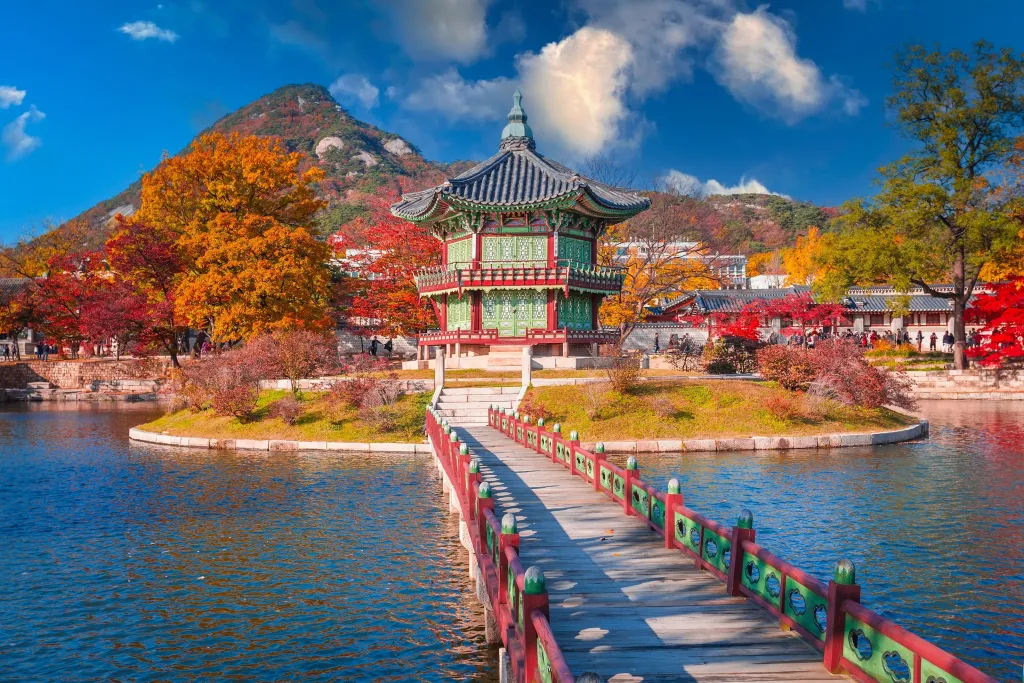
Exploring the diverse landscapes, rich cultures, and vibrant cities of Japan and South Korea is an unforgettable experience. From ancient temples and bustling markets to serene nature spots and cutting-edge technology, both countries offer a unique blend of tradition and modernity. This article highlights must-visit places in both Japan and South Korea that promise delightful adventures.
Top Must-Visit Places in Japan
Tokyo: The Heart of Japan
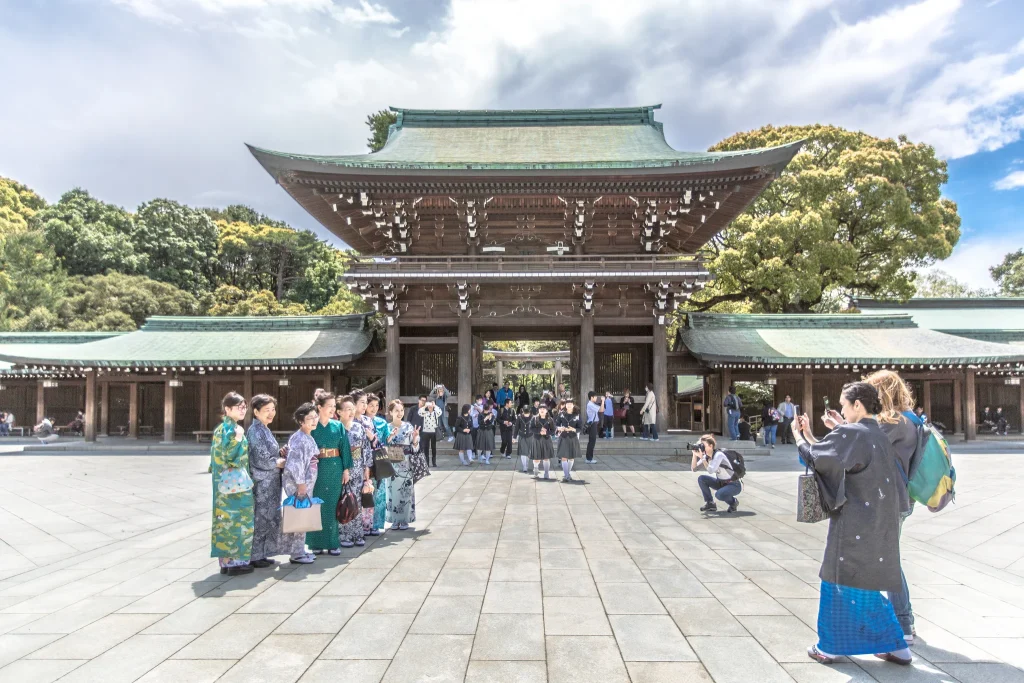
Tokyo, Japan’s capital, is a dazzling metropolis that perfectly blends tradition and innovation. Here, you can visit historic sites like the Senso-ji Temple in Asakusa and the Meiji Shrine, nestled within a tranquil forest. Don’t forget to explore the vibrant neighborhoods of Harajuku and Shibuya, famous for their bustling shopping streets and iconic crossing.
In contrast, Tokyo also boasts modern attractions like the Tokyo Skytree, offering stunning views of the cityscape. Tokyo Disneyland and DisneySea are a must-visit for families and Disney fans alike. The city’s culinary scene is another highlight, showcasing everything from street food stalls to Michelin-starred restaurants.
Kyoto: The City of Temples
Kyoto, once the capital of Japan, is famous for its stunning temples, traditional wooden houses, and beautiful gardens. The Kinkaku-ji, or Golden Pavilion, is a UNESCO World Heritage Site that reflects beautifully on the pond surrounding it. Another iconic site is Fushimi Inari Taisha, known for its thousands of vermillion torii gates that create iconic pathways through the forest.
Beyond the temples, Kyoto’s Gion district is a wonderful place to experience traditional tea houses and perhaps catch a glimpse of a geisha. Walking through the Arashiyama Bamboo Grove offers a serene escape from the bustling city. Don’t miss out on trying Kyoto-style kaiseki cuisine, which reflects the seasonal variations of the region.
Osaka: The Kitchen of Japan
Osaka is known for its food culture, earning the nickname “the Kitchen of Japan.” The Dotonbori district is famous for its lively atmosphere and delicious street food, such as takoyaki (octopus balls) and okonomiyaki (savory pancakes).
Visit Osaka Castle, a historic landmark offering insight into Japan’s feudal past. The castle park during cherry blossom season is a sight to behold. For family-friendly fun, Universal Studios Japan and Osaka Aquarium are also great choices.
Hiroshima: A City of Peace
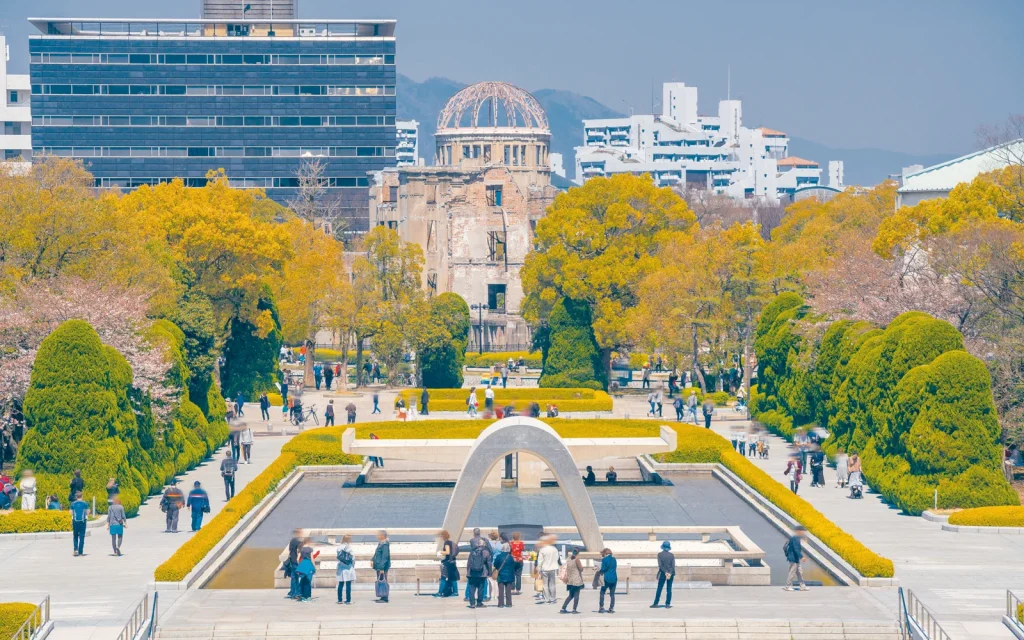
Hiroshima is known worldwide for its poignant history surrounding World War II. Visiting the Hiroshima Peace Memorial Park and Museum allows you to reflect on the tragedy and resilience of the human spirit. The A-Bomb Dome stands as a haunting reminder of the past.
While in Hiroshima, take a ferry to Miyajima Island, home to the famous floating torii gate of Itsukushima Shrine. The island offers hiking opportunities and beautiful views from the summit of Mount Misen.
Nara: The First Capital
Nara, known as Japan’s first capital, is home to significant cultural treasures. Nara Park, where you can encounter freely roaming deer, is a central attraction. The Todai-ji Temple, housing a giant Buddha statue, is an architectural marvel worth exploring.
The city’s historical charm is further enhanced by smaller shrines and temples, such as Kasuga-taisha, known for its many stone lanterns. Nara’s laid-back atmosphere provides a refreshing break from bustling urban centers.
Top Must-Visit Places in South Korea
Seoul: The Dynamic Capital
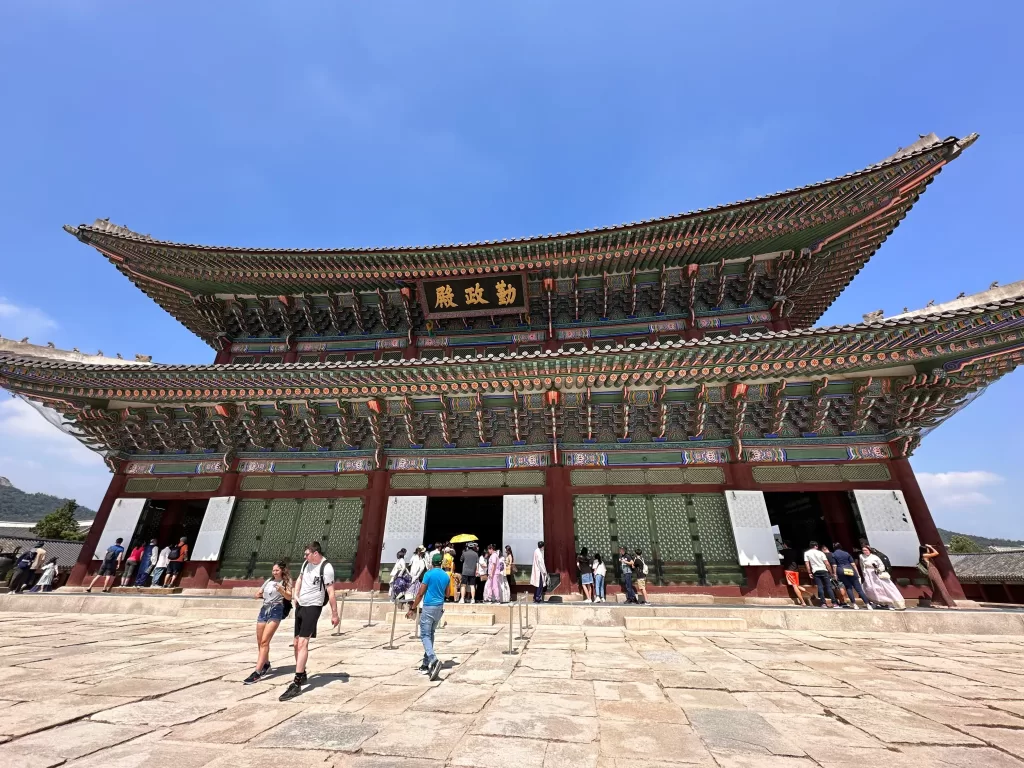
Seoul, the capital city of South Korea, is a vibrant blend of ancient tradition and cutting-edge modernity. Gyeongbokgung Palace, the largest royal palace in the city, offers a glimpse into Korea’s rich history. Witness the changing of the guard ceremony for a unique cultural experience.
The bustling districts of Myeongdong and Insadong provide shopping opportunities and local street food tastings. Visit the N Seoul Tower for panoramic views of the skyline and to experience the romantic “Locks of Love” tradition.
What Are the Must-See Destinations in Spain for a 12-Day Itinerary?
By Town of traveller
Busan: The Coastal Paradise
Busan is South Korea’s second-largest city and offers stunning beaches along with a relaxed vibe. Haeundae Beach is a popular spot for sunbathing, while the lively Jagalchi Fish Market is perfect for seafood lovers.
Another must-visit site is Gamcheon Culture Village, charmed with colorful houses and artwork. Don’t miss the scenic views of the Busan Harbor from the Busan Tower, especially beautiful at sunset.
Gyeongju: The Museum Without Walls
Gyeongju, often referred to as the “museum without walls,” is rich in history from the Silla Dynasty. The Bulguksa Temple, a UNESCO World Heritage Site, showcases stunning architecture that reflects the spiritual depth of Buddhism in Korea. The Seokguram Grotto, nearby, is famed for its impressive Buddha statue carved into the rock.
The city also has picturesque sites like Anapji Pond and Tumuli Park, where ancient tombs of Silla Kings are located. Gyeongju is perfect for those who appreciate combining cultural heritage with tranquil surroundings.
Incheon: Gateway City
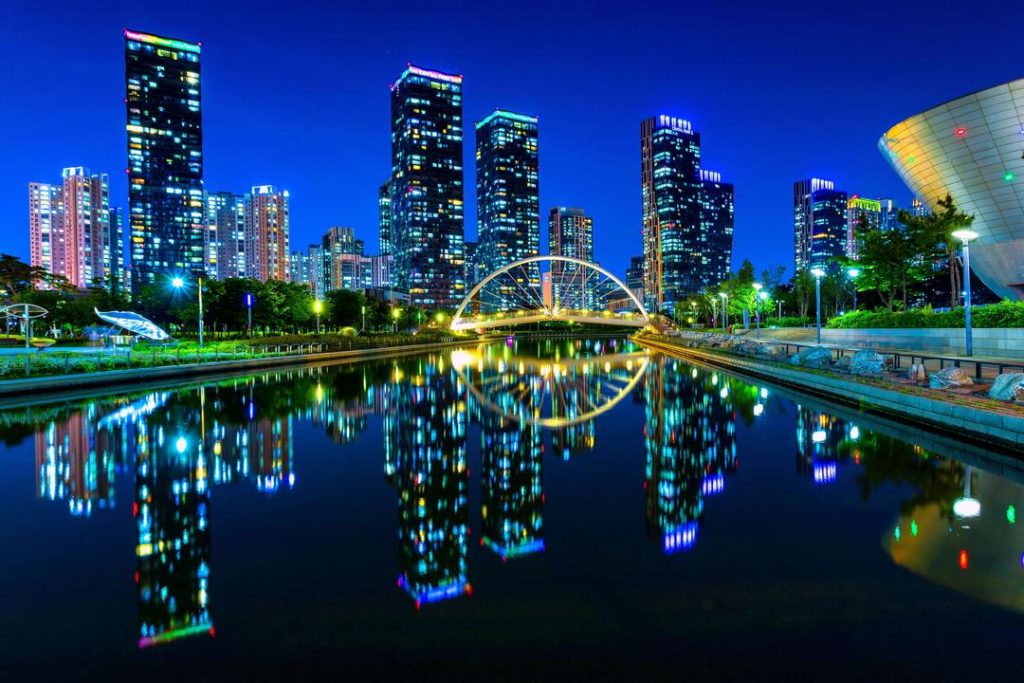
Incheon, known mostly for its international airport, offers attractions worth visiting. The Songdo International Business District is a marvel of modern urban planning, featuring a striking skyline.
Incheon’s Chinatown is a delightful area to explore, filled with restaurants serving Chinese-Korean fusion dishes. Don’t forget to visit Incheon’s waterfront, where the Incheon Bridge offers a stunning backdrop for photographs.
Jeju Island: The Tropical Getaway
Jeju Island is South Korea’s premier vacation destination, known for its beaches, waterfalls, and volcanic landscapes. Hallasan Mountain offers hiking opportunities with breathtaking views from the summit.
Jeju’s famous scenic coastline includes sites like Seongsan Ilchulbong, a volcanic crater that attracts sunrise seekers. The island is also home to Jeongbang Waterfall, one of the few waterfalls in the world that falls directly into the ocean.
Conclusion
Japan and South Korea are treasure troves of diverse experiences, seamlessly blending rich cultural heritage with modern advancements. Whether you’re wandering through Kyoto’s serene temples, indulging in culinary wonders in Osaka, or breathing in the fresh air on Jeju Island, each destination offers something unique. These must-visit places are just the tip of the iceberg, promising travelers a memorable journey filled with exploration and discovery.
FAQs
1. What is the best time to visit Japan and South Korea?
The best time to visit both countries is during spring (March to May) or autumn (September to November) when the weather is mild, and you can enjoy beautiful cherry blossoms or vibrant fall colors.
2. How can I get around in Japan and South Korea?
Both countries have efficient public transport systems, including trains and buses. Japan’s shinkansen (bullet trains) is a quick way to travel between cities, while South Korea’s extensive subway network makes getting around cities like Seoul and Busan easy and convenient.
3. Do I need to know the local language to travel in Japan and South Korea?
While knowing some basic phrases can enhance your experience, many people in tourist areas speak English. Language apps and translation tools can also assist you in navigating conversations.
4. Is it necessary to have travel insurance for Japan and South Korea?
While it’s not mandatory, having travel insurance is highly recommended. It provides peace of mind in case of unexpected events like trip cancellations, medical emergencies, or lost belongings.
5. Are there any cultural customs I should be aware of when visiting Japan and South Korea?
Yes, both countries have unique customs. For example, in Japan, bowing is a common greeting, while in South Korea, it’s polite to address people using their title. Additionally, it’s customary to remove shoes before entering homes and some temples in Japan.