


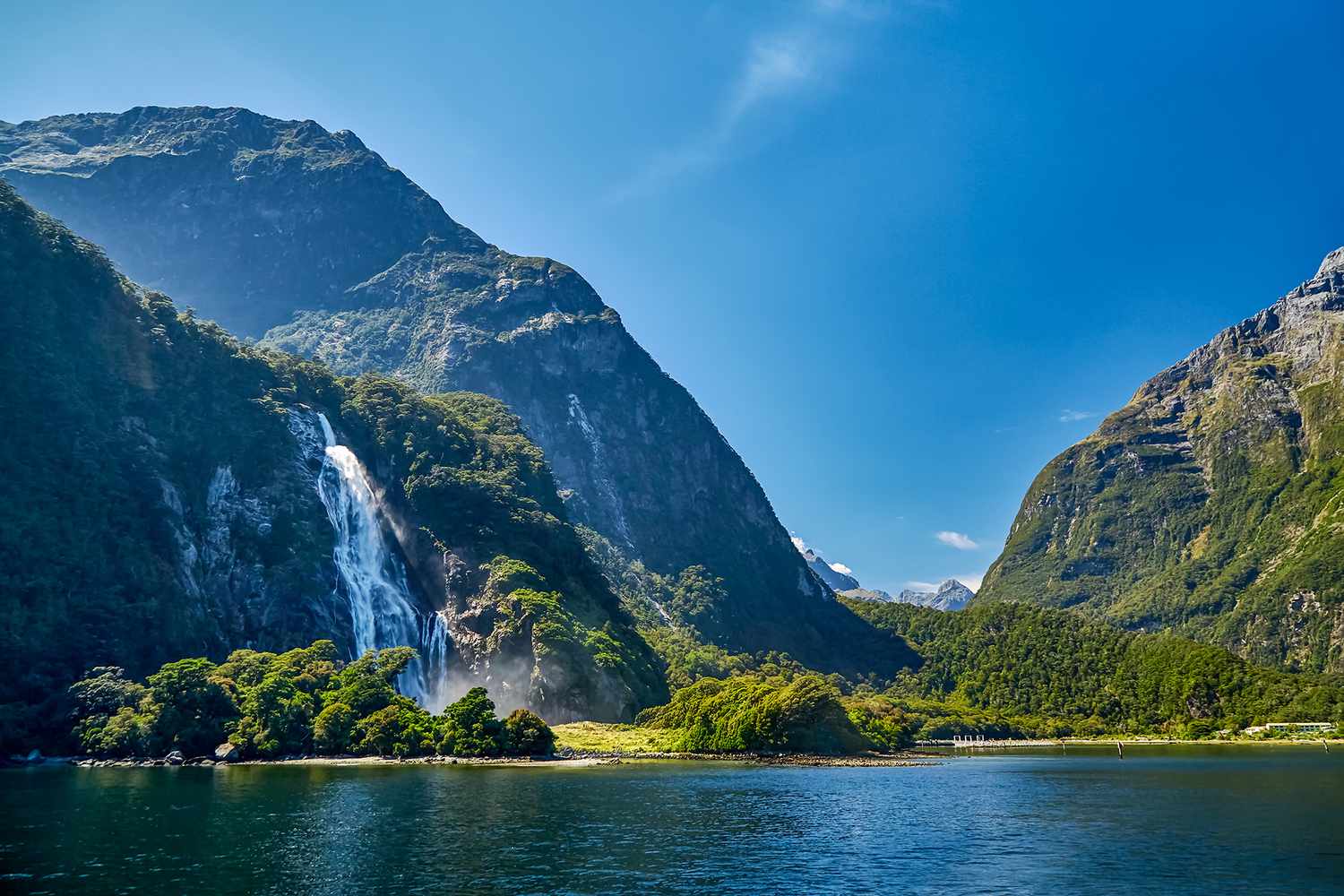
February is a dynamic month in New Zealand, marking the tail end of summer across the country. Visitors can expect warm temperatures, longer daylight hours, and a vibrant atmosphere filled with local events and outdoor activities. Whether you’re exploring the North or South Island, February offers plenty of opportunities for adventure and enjoyment in stunning landscapes.
General Climate Overview in February
In February, New Zealand typically enjoys warm summer weather, with averages ranging from 20°C to 30°C (68°F to 86°F) across various regions. The North Island generally experiences warmer temperatures than the South Island, making it a popular choice for sun-seekers. New Zealand’s climate can vary widely due to its diverse geography, which includes mountains, beaches, and plains.

Central regions like Auckland can feel a bit sticky and hot in February, so it’s wise to stay hydrated and protect yourself from the sun. Meanwhile, places like Wellington and Christchurch enjoy milder conditions, often accompanied by refreshing breezes. Regardless of location, visitors should prepare for some variability, as occasional rain or wind can occur, especially in the more temperate coastal areas.
Regional Variations in Temperature
Different regions offer unique experiences in February. In Auckland, the weather is often ideal for beach activities, with daytime highs averaging around 24°C (75°F). The warmer northern areas such as Bay of Islands can reach up to 28°C (82°F), making them perfect for swimming, fishing, and water sports.
In Wellington, temperatures hover around 20°C to 22°C (68°F to 72°F). The wind can make it feel cooler, especially in the evenings, so packing a light jacket is advisable. Down south, regions like Queenstown and Dunedin enjoy pleasant temperatures in the range of 18°C to 22°C (64°F to 72°F), providing a beautiful backdrop for hiking and outdoor adventures.
What Is the Dress Code for Dining at La Giostra in Florence?
By Town of traveller
Rainfall Expectations
While February is considered a summer month, it can occasionally bring rainfall, especially in the western regions of both islands. Areas such as Fiordland and West Coast are known for their frequent rain during summer months. Therefore, while planning your trip, keep in mind that rain jackets and waterproof bags may be essential, especially if your itinerary includes Fiordland National Park or the scenic West Coast.
On the contrary, the eastern regions, including Canterbury and Marlborough, tend to be drier and sunnier. You can expect lower chances of rain here, making it a hotspot for outdoor activities, vineyard tours, and beach visits. Be sure to check local forecasts as your travel dates approach to make necessary adjustments to your plans.
Outdoor Activities Demand
February’s favorable weather creates the perfect environment for various outdoor activities. From hiking and biking to surfing and swimming, the month is bustling with lively outdoor excursions. The Abel Tasman National Park on the South Island invites tourists for hiking, kayaking, and sunbathing along its stunning beaches.
In North Island, popular spots like Waiheke Island offer vineyard tours, walking trails, and gorgeous views. The combination of longer days and warm evenings makes it a splendid time for camping and stargazing. Whether you’re exploring the volcanic landscapes of Tongariro National Park or taking part in thrilling water sports in Rotorua, February’s warm weather allows for memorable outdoor experiences.
Festivals and Events in February
February is an active month in terms of festivals and events. Notable events throughout New Zealand serve as cultural highlights, allowing travelers to experience local traditions. For instance, the Auckland Lantern Festival typically takes place in February, celebrating the Chinese New Year with stunning light displays, food stalls, and cultural performances.
The Wellington Jazz Festival also occurs in February, bringing together local musicians and international acts. Visitors can tune in to captivating performances, workshops, and jam sessions throughout the city. These events not only provide entertainment but also help visitors immerse themselves in the rich cultural landscape of New Zealand.
Sun Safety Measures
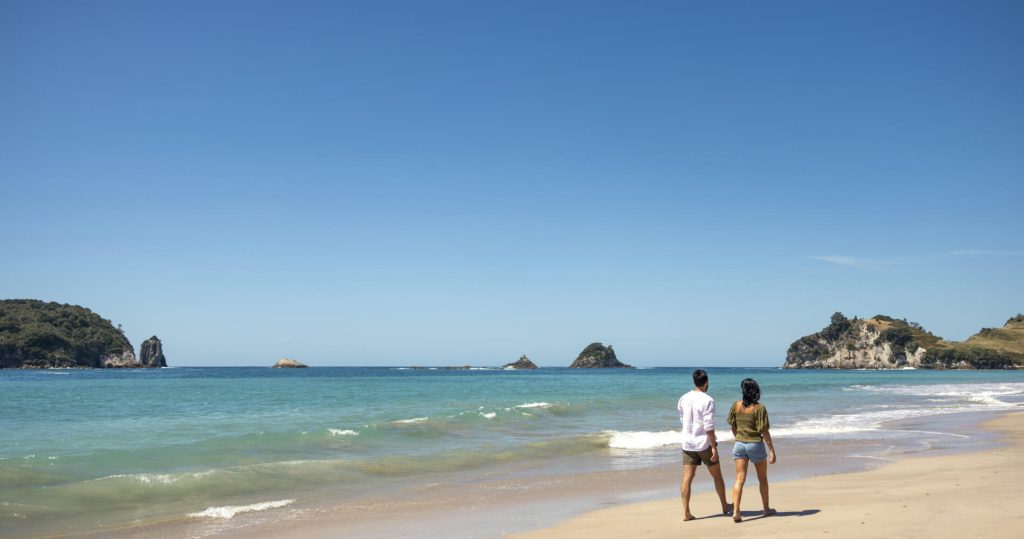
As temperatures rise in February, sun safety becomes a priority. With longer exposure to sunlight, it’s essential to protect your skin and well-being. Sunburn can occur rapidly, even on cloudy days, so remember to apply sunscreen with a high SPF frequently, especially if you’ll be outdoors for extended periods.
A wide-brimmed hat and sunglasses are also essential items. Opt for lightweight clothing that covers your skin while remaining comfortable in the heat. Depending on activities planned, consider packing a reusable water bottle to ensure you stay hydrated throughout the day.
Adapting To Local Weather Changes
One of the best practices while traveling in New Zealand is to stay adaptable to changing weather conditions. Its diverse geographical landscape means that conditions can change quickly, especially in mountainous and coastal regions. It’s always wise to check the local forecast before heading out for a planned activity.
Having a flexible itinerary allows you to switch activities or locations as needed. For example, if rain is forecasted in Queenstown, you might choose to explore nearby wineries or local museums instead. This adaptability will ensure you make the most of your trip, regardless of the elements.
Conclusion
Traveling to New Zealand in February means experiencing warm temperatures, exciting events, and ample outdoor opportunities. From the stunning beaches of the North Island to the breathtaking landscapes of the South, visitors can indulge in various activities tailored to their interests. Whether you’re hiking, attending festivals, or simply lounging on the beach, February offers a vibrant taste of Kiwi culture and natural beauty. As summer comes to a close, this month serves as a reminder to cherish the warm weather and stunning scenery that New Zealand has to offer.
FAQs
- What is the best way to prepare for varying weather conditions in February?
Packing layers, including lightweight clothing and a light jacket, will help you adapt to various temperatures throughout the day. Always check and monitor the local weather forecast before setting off. - Are there specific activities I should prioritize during February?
Ideal activities include hiking, cycling, beach outings, and attending summer festivals. Focus on outdoor adventures and cultural events taking place during this sunny month. - What type of clothing should I pack for February in New Zealand?
Lightweight, breathable clothing is ideal, along with swimwear, sun protection accessories, and a light jacket for cooler evenings. This combination ensures you stay comfortable in varying temperatures. - Is February a peak tourist season in New Zealand?
Yes, February is part of New Zealand’s summer season and can see higher tourist numbers, particularly in popular destinations. Booking accommodations and activities in advance is advisable. - What are some must-visit locations in New Zealand during February?
Noteworthy locations include the vibrant beaches of the North Island, the stunning landscapes of the South Island, and major cities like Auckland and Wellington, which host various summer events.