

[ad_1]
Welcome to our article comparing the natural beauty of two of Washington’s most iconic peaks: Mt. Rainier and the North Cascades. In this article, we will discuss the features, landscapes, and activities offered by these stunning mountains to help you decide which one to visit on your next outdoor adventure.
What are the main features of Mt. Rainier?
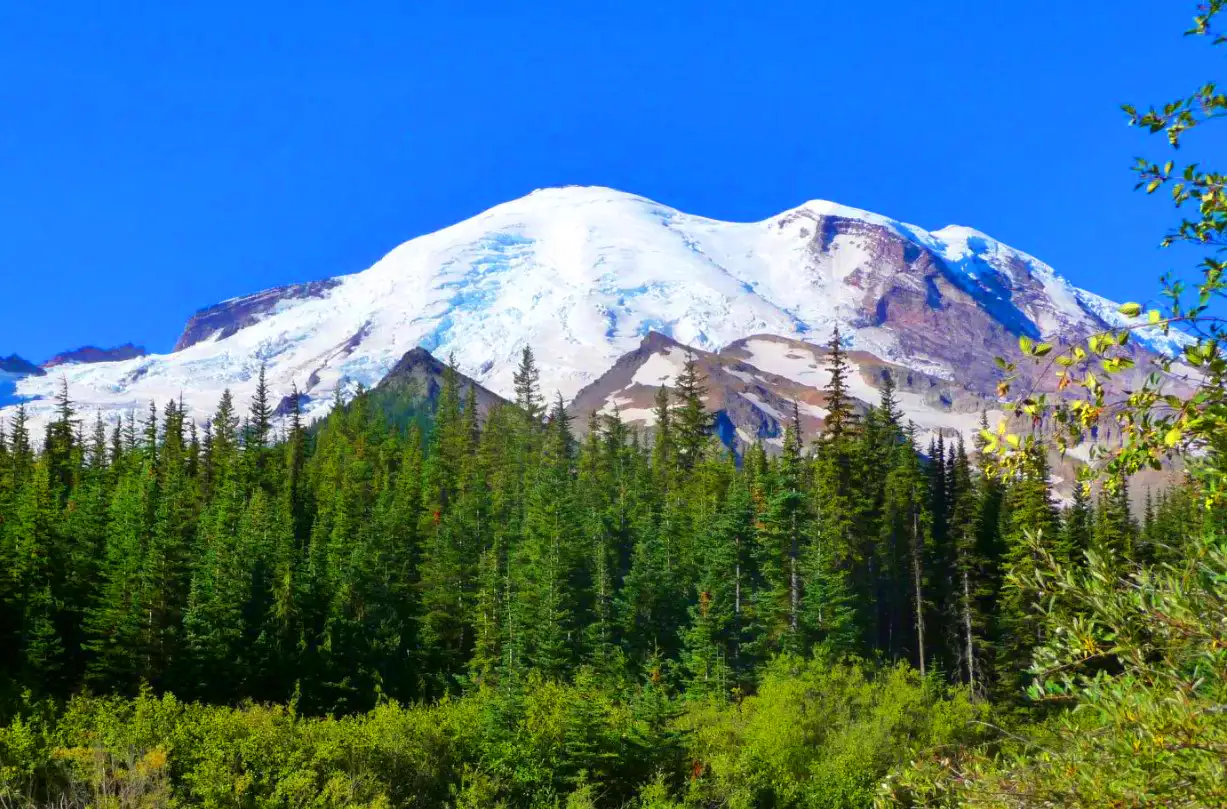
Mt. Rainier is an active stratovolcano located in Mount Rainier National Park. It is the highest peak in the Cascade Range, standing at 14,410 feet. The mountain is known for its massive glaciers, including the Emmons Glacier, which is the largest in the contiguous United States.
The park is a playground for outdoor enthusiasts, offering opportunities for hiking, climbing, camping, and wildlife viewing. The famous Wonderland Trail encircles the mountain, providing a challenging multi-day trek through diverse terrain and breathtaking vistas. Visitors can also drive up to Paradise, a popular area for snowshoeing, skiing, and wildflower viewing in the summer.
What are the main features of the North Cascades?
The North Cascades is a rugged mountain range located in northern Washington, featuring jagged peaks, deep valleys, and over 300 glaciers. North Cascades National Park, Ross Lake National Recreation Area, and Lake Chelan National Recreation Area collectively protect this pristine wilderness area, providing a wide range of recreational opportunities.
Hiking and backpacking are the main draws of the North Cascades, with trails that wind through old-growth forests, alpine meadows, and alongside glacier-fed streams. The park is also a haven for rock climbers, offering challenging granite walls and spires that attract climbers from around the world. Scenic drives along the North Cascades Highway provide access to stunning mountain vistas, crystal-clear lakes, and cascading waterfalls.
Which peak offers the best hiking and camping experience?
Both Mt. Rainier and the North Cascades offer exceptional hiking and camping experiences, each with its own unique charm. Mt. Rainier National Park is home to the famous Wonderland Trail, a 93-mile loop that circumnavigates the mountain, showcasing its diverse ecosystems and extraordinary beauty. Hikers can opt for day hikes or embark on a multi-day adventure, staying at designated backcountry campsites along the way.
The North Cascades, on the other hand, is a paradise for backpackers, with over 400 miles of trails to explore. The park’s backcountry camping options allow hikers to immerse themselves in the remote wilderness, surrounded by towering peaks, pristine alpine lakes, and abundant wildlife. There are also accessible front-country campgrounds for those looking for a more traditional camping experience.
Which peak has better winter sports and activities?
While both Mt. Rainier and the North Cascades offer winter sports and activities, Mt. Rainier is more well-known for its winter recreational opportunities. The Paradise area of the park is a popular destination for snowshoeing, cross-country skiing, and snowboarding. During the winter months, the park’s snow-covered landscapes transform into a winter wonderland, attracting enthusiasts of all ages.
The North Cascades also offer opportunities for winter sports, including snowshoeing and backcountry skiing. The area around the North Cascades Highway becomes a winter playground, with access to snowy trails and serene snow-covered landscapes. However, due to its more remote location, the North Cascades may be less crowded and offer a more peaceful winter experience.
Conclusion
Both Mt. Rainier and the North Cascades are natural wonders that showcase the diverse beauty of Washington’s landscape. Whether you prefer the iconic peak of Mt. Rainier or the rugged wilderness of the North Cascades, both destinations offer unparalleled outdoor experiences for nature lovers, hikers, and adventure seekers alike. Each park has its own unique features and attractions, so be sure to plan your visit according to your interests and the activities you wish to experience.
FAQs
Q: Can I visit both Mt. Rainier and the North Cascades in one trip?
A: While it is possible to visit both parks in one trip, it is essential to consider the distance between the two destinations and the travel time required. Mt. Rainier National Park is located approximately 2.5 hours from Seattle, while the North Cascades are located around 2 hours northeast of the city. It is ideal to plan separate visits to fully experience the unique offerings of each park.
Q: Are there visitor centers and amenities available at Mt. Rainier and the North Cascades?
A: Both Mt. Rainier National Park and the North Cascades National Park Complex have visitor centers and amenities, including information, exhibits, and services. However, due to the remote nature of the North Cascades, visitors should be aware that some areas may have limited facilities and services, especially during the winter months.
Q: Can I climb to the summit of Mt. Rainier or the peaks in the North Cascades?
A: Summiting Mt. Rainier is a significant mountaineering endeavor and should only be attempted by experienced climbers with proper training and equipment. As for the North Cascades, there are several challenging peaks suitable for experienced climbers. It is essential to research and plan thoroughly before attempting any summit climbs in these areas.
Q: Are there accommodations and dining options available near Mt. Rainier and the North Cascades?
A: Both destinations offer a range of accommodations, including lodges, cabins, and campgrounds, as well as nearby towns with hotels and dining options. However, visitors should be aware that accommodations near the North Cascades may be more limited, especially in the more remote areas of the park.
Q: What is the best time of year to visit Mt. Rainier and the North Cascades?
A: The summer months, from late June to early September, are the most popular times to visit both Mt. Rainier and the North Cascades. This is the prime season for hiking, wildflower viewing, and other outdoor activities. However, each season offers its own unique charm, with spring showcasing blooming wildflowers and fall offering stunning foliage displays. Winter also provides opportunities for snow sports and peaceful snowy landscapes.
[ad_2]