

Are you ready for an unforgettable road trip adventure through the heart of the American Southwest? The route from Durango to Flagstaff promises breathtaking landscapes, rich history, and unique experiences. Buckle up and let’s hit the road!
Best Time to Visit
The best time to visit Durango and Flagstaff is during the spring and fall months when the weather is mild, and the crowds are smaller. Summer is the peak tourist season, and the temperatures can get quite hot, especially in Flagstaff. Winter is also a popular time to visit, especially for skiing and snowboarding in Durango.
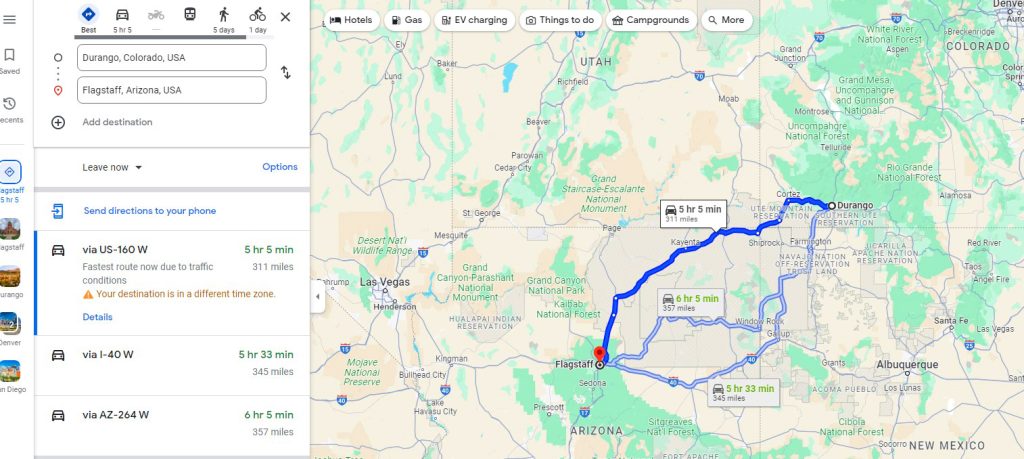
Route Options
01. San Juan Skyway:
The San Juan Skyway is a scenic byway that passes through the San Juan Mountains in southwest Colorado. The route is known for its stunning views of the mountains and forests, as well as its historic mining towns. The route is approximately 236 miles long and takes about 6 hours to drive.
02. Highway 160:
Highway 160 is a scenic route that passes through the San Juan National Forest and the Rio Grande National Forest. The route is known for its sweeping views of the forests and mountains, as well as its charming small towns. The route is approximately 200 miles long and takes about 4 hours to drive.
03. Route 89:
Route 89 is a scenic route that passes through the Navajo Nation and the Coconino National Forest. The route is known for its stunning views of the red rock formations and canyons, as well as its Native American culture. The route is approximately 200 miles long and takes about 4 hours to drive.
Heading South: Leaving Durango Behind
Start Your Journey in Durango, Colorado
Explore the historic downtown area
Durango’s historic downtown area is a must-visit for anyone traveling to the area. The town is filled with charming shops, restaurants, and galleries. Here are some of the top attractions in the area:
- Durango Arts Center: This center showcases the work of local artists and hosts a variety of events throughout the year.
- Henry Strater Theatre: This historic theater is located in the Strater Hotel and hosts a variety of performances, including plays, musicals, and concerts.
- Durango Farmers Market: This market is held every Saturday from May through October and features local produce, crafts, and live music.
Make sure to include a visit to the Durango & Silverton Narrow Gauge Railroad on your itinerary.
The Durango & Silverton Narrow Gauge Railroad is a historic train that takes you through the San Juan Mountains. Here’s what you need to know before visiting:
- Location: The train travels between the two historic cities of Durango and Silverton along the Animas River.
- History: The train was originally built in 1881 to transport mine ores out of the San Juan Mountains. Right from its inception, the railroad was marketed to travelers as an “idyllic scenic pathway.”.
- Trip Options: There are several different trip options for your adventure on the historic train. The most popular trip is the round-trip journey from Durango to Silverton, which takes approximately 9 hours. Along the way, you’ll be treated to stunning vistas beside the pristine Animas River and through wilderness inaccessible by roads.
- Seasons: The train operates year-round, allowing riders to enjoy the best of each of Colorado’s vivid seasons. Nonetheless, the prime seasons for a visit are spring and fall, when the climate is gentle, and the throngs of visitors are more manageable.
- Tickets: Tickets can be purchased online or at the Durango Depot. Make sure to check out our deals for kids, seniors, military, and frequent riders before booking and special discounts on select departures.
Embrace the San Juan Skyway
The San Juan Skyway is a 233-mile scenic byway that traverses the San Juan Mountains in southwestern Colorado. It is one of the most scenic drives in the United States, offering breathtaking views of the surrounding landscape.
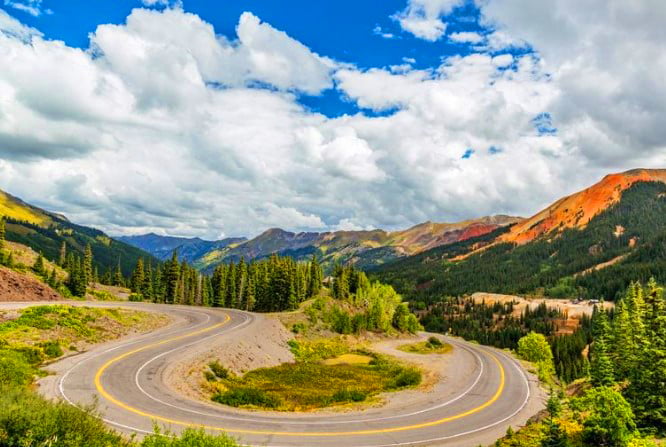
Scenic Drive through the San Juan Mountains
The San Juan Skyway, a captivating loop that commences and concludes in Durango, Colorado, is a must-explore route on your journey from Durango to Flagstaff. This picturesque drive guides you through the scenic wonders of the San Juan National Forest, Grand Mesa, Uncompahgre, and Gunnison National Forests.
As you traverse this path, you’ll encounter historic mining towns, vast cattle ranges, and remnants of prehistoric Indian civilizations. This road remains accessible throughout the year, with occasional winter closures due to challenging weather conditions, making it a key part of your Durango to Flagstaff adventure.
- Molas Pass
Molas Pass is located on the San Juan Skyway between Silverton and Durango. It is one of the most scenic spots on the drive, offering stunning views of Molas Lake and the surrounding mountains. The pass is nearly 11,000 feet high, and the summit can be reached by car. If you want to spend more time here, take a short hike on the trail starting at the viewpoint. The trail offers panoramic views of the surrounding mountains and is a great place to take photos.
- Red Mountain Pass
Red Mountain Pass is located on the Million Dollar Highway between Silverton and Ouray. It is one of the most challenging and rewarding parts of the drive, ascending and descending three of the highest mountain passes in the U.S. The pass offers stunning views of the surrounding mountains and the remains of the Red Mountain Mining District. There are several pullouts along the way where you can stop and take photos.
Durango to Flagstaff :Crossing Into New Mexico
Welcome to Aztec, New Mexico
Discovering Aztec Ruins National Monument in New Mexico
- Aztec Ruins National Monument
The Aztec Ruins National Monument stands as a remarkable historical site on your journey from Durango to Flagstaff. This expansive planned community played a vital role in the Ancestral Puebloan society for more than two centuries, from around 1100 AD to 1300 AD. Situated just one mile north of Aztec, New Mexico, at the junction of U.S. 550 and NM 516, this monument is open daily from 8:00 am to 5:00 pm, with exceptions on Thanksgiving, Christmas, and New Year’s Day. Don’t miss this significant landmark when traveling from Durango to Flagstaff.
- Ancestral Puebloan History
The Ancestral Puebloan people were skilled builders and architects who constructed elaborate structures using stone, adobe, and wood. The Aztec Ruins National Monument contains the remains of several great houses, great kivas, small residential pueblos, earthworks, roads, and tri-walled kivas. The structures and landscapes were all constructed and modified to give continuity and formality to the community’s overall essence.
The Ancestral Puebloans were farmers who relied on the constant water supply from the Animas River. This allowed them to settle in a single location and build a large planned community. The community was a bustling center for over two centuries, and its planned layout reveals that the initial Ancestral Pueblo builders conceived a grand design for their community.
Shiprock’s Majestic Presence
The Shiprock Formation
The Shiprock formation, an awe-inspiring geological wonder on the route from Durango to Flagstaff, is a volcanic rock formation with a history dating back millions of years. Soaring to a towering height of nearly 1,800 feet, this natural marvel graces the northwestern corner of New Mexico. It has become an integral part of numerous legends and narratives. According to one captivating story, this peak was once the dwelling place of a colossal bird, which, as legend has it, carried off Navajo children. When embarking on your journey from Durango to Flagstaff, don’t forget to marvel at the Shiprock formation’s timeless beauty and intriguing folklore.
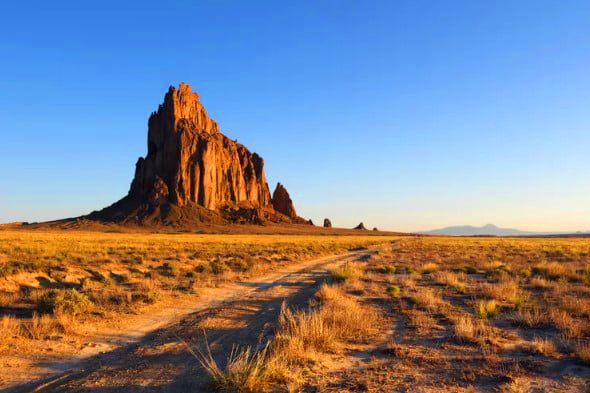
Photo Opportunities Galore
The Shiprock formation is a popular spot for photographers and nature enthusiasts. The formation is visible from miles away and offers stunning views from all angles. Here are a few of the finest locations for capturing memorable photos.
- Highway 64: The formation is visible from Highway 64, which runs east-west through the area. You’ll come across multiple pullout points along the highway, offering convenient stops for snapping photos.
- Shiprock Peak: The peak itself is the hardened magma that was in the central shaft of the volcano, while the dikes stretching out from the peak are the remains of magma feeder channels. You can hike to the base of the peak for a closer look.
- Shiprock Tribal Park: The park is located just south of the formation and offers guided tours of the area. The tours provide a unique perspective on the formation and its history.
Traversing the Land of Enchantment: New Mexico
Albuquerque: A Taste of Southwestern Culture
Old Town Albuquerque
Old Town Albuquerque is the historic heart of the city and is home to some of the oldest buildings in the state. This region is brimming with delightful boutiques, art galleries, and eateries. Here are some of the top attractions in the area:
- · San Felipe de Neri Church: This historic church was built in 1793 and is one of the oldest buildings in the city.
- · Old Town Plaza: This plaza is the center of Old Town Albuquerque and is surrounded by shops and restaurants.
- · Albuquerque Museum: This museum showcases the history and culture of Albuquerque and the surrounding area.
Savoring New Mexican Cuisine
The culinary tradition of New Mexican cuisine melds Spanish, Native American, and Mexican ingredients and culinary methods. The cuisine is known for its bold flavors and use of chile peppers. Here are some of the best places to enjoy New Mexican cuisine in Albuquerque:
- · El Pinto: This restaurant is located in the North Valley and is known for its beautiful scenery and atmosphere. Order your meal “Christmas” style to try both their red and green chile.
- · Frontier Restaurant: This restaurant is a local’s hangout and is known for its authentic New Mexican enchiladas, green chili stew, and burritos.
- · Sadie’s of New Mexico: This restaurant is a local favorite and is known for its spicy salsa and green chile chicken enchiladas.
Durango to Flagstaff :Petroglyph National Monument
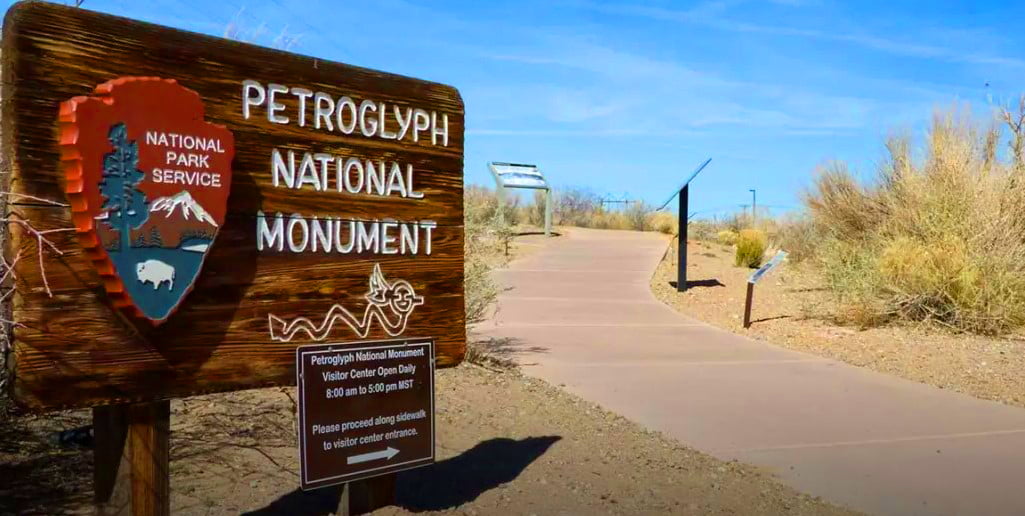
Ancient Rock Art
The petroglyphs at the Petroglyph National Monument were created by the Ancestral Puebloan people between 650 and 2,000 years ago. The images depict a variety of subjects, including animals, people, and geometric shapes. Some of the petroglyphs are easy to spot, while others require a trained eye to find. The monument offers guided tours to help visitors learn more about the petroglyphs and their significance.
Hiking Trails
The Petroglyph National Monument offers several hiking trails that allow visitors to explore the area and see the petroglyphs up close. Here are some of the best trails:
- Boca Negra Canyon: This trail is located in the western part of the monument and offers stunning views of the surrounding landscape. The trail is short but steep, and it leads to several petroglyphs.
- Piedras Marcadas Canyon: This trail is located in the central part of the monument and offers a longer hike through a beautiful canyon. The trail leads to several petroglyphs and offers stunning views of the Sandia Mountains.
- Rinconada Canyon: This trail is located in the eastern part of the monument and offers a longer hike through a beautiful canyon. The trail leads to several petroglyphs and offers stunning views of the Rio Grande Valley.
Northern Arizona: On the Road to Flagstaff
Gallup’s Southwestern Charm
Native American Crafts
Gallup is known for its Native American crafts and art. The city is home to several trading posts and galleries that offer a wide variety of Native American jewelry, pottery, and textiles. Here are some of the best places to discover Native American crafts in Gallup:
- Richardson’s Trading Company: This trading post is located on Route 66 and offers a wide variety of Native American jewelry, pottery, and textiles.
- Bill Malone Trading Company: This trading post is located on Route 66 and offers a wide variety of Native American jewelry, pottery, and textiles.
- Gallup Indian Plaza: This plaza is located in the heart of downtown Gallup and is home to several galleries and shops that offer Native American crafts and art.
Route 66 Memorabilia
Gallup is located on the historic Route 66 and is home to several Route 66 memorabilia shops and museums. Here are some of the best places to discover Route 66 memorabilia in Gallup:
- Route 66 Auto Museum: This museum is located on Route 66 and features a collection of classic cars and Route 66 memorabilia.
- Gallup Cultural Center: This center is located in the heart of downtown Gallup and features a collection of Route 66 memorabilia and artifacts.
- El Rancho Hotel: This historic hotel is located on Route 66 and features a collection of Route 66 memorabilia and artifacts.
Holbrook’s Dinosaur Legacy
Wigwam Motel
The Wigwam Motel is a historic motel that is shaped like teepees. The motel was built in the 1950s and is located on Route 66. The motel is a popular destination for tourists who want to experience the nostalgia of the Route 66 era. The motel offers a unique experience, with each room decorated in a Western theme. The motel is also home to a gift shop that sells Route 66 memorabilia.
Petrified Forest National Park
The Petrified Forest National Park is located near Holbrook and is home to one of the largest collections of petrified wood in the world. The park is also home to several hiking trails that allow visitors to explore the area and see the petrified wood up close. Here are some of the best places to visit in the park:
- Painted Desert: This area of the park is known for its colorful rock formations and stunning views of the surrounding landscape.
- Newspaper Rock: This archeological site is located in the park and features over 650 petroglyphs created by the Ancestral Puebloan people between 650 and 2,000 years ago.
- Crystal Forest: This area of the park is home to some of the most beautiful petrified wood in the world. The wood has been transformed into crystal-like structures over millions of years.
Flagstaff’s Mountain Charm: Exploring the Historic Downtown District and Gateway to the Grand Canyon
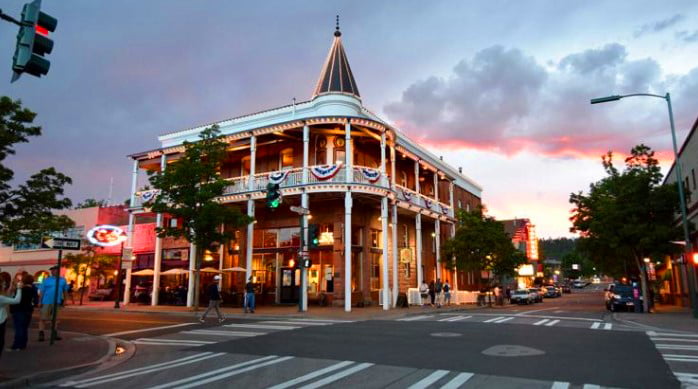
Historic Downtown District
Flagstaff’s historic downtown district is a charming area that is home to a variety of shops, restaurants, and galleries. The area is known for its historic buildings and architecture, and it offers a unique glimpse into the city’s past. Here are some of the best places to explore in the historic downtown district:
- Heritage Square: This square is the center of the historic downtown district and is surrounded by shops and restaurants.
- ·Lowell Observatory: This observatory is located on Mars Hill and is home to several telescopes and exhibits.
- ·Riordan Mansion State Historic Park: This park is located on the outskirts of the historic downtown district and is home to a historic mansion that was built in 1904.
Gateway to the Grand Canyon
Flagstaff is located near the Grand Canyon and is a popular gateway to the park. The Grand Canyon is one of the most stunning natural wonders in the world, and it offers a variety of outdoor activities and attractions. Here are some of the best places to visit in the Grand Canyon:
- South Rim: This area of the Grand Canyon is the most popular and offers stunning views of the canyon and the surrounding landscape.
- Bright Angel Trail: This trail is located on the South Rim and offers a challenging hike down into the canyon.
- Havasu Falls: This waterfall is located on the Havasupai Indian Reservation and is one of the most stunning waterfalls in the world.
conclusion
In the grand tapestry of the Durango to Flagstaff journey, nature’s splendor and cultural riches converge. This Southwestern road trip unearths an eclectic blend of landscapes, from the rugged San Juan Mountains to the awe-inspiring Shiprock. Along the way, you’ll savor New Mexican culinary delights, uncover ancient petroglyphs, and relish the charm of towns like Gallup and Holbrook. Finally, Flagstaff welcomes you with its mountain allure and a gateway to the Grand Canyon, sealing this route as an unforgettable expedition of Southwestern treasures.
01. How long does it take to drive from Durango to Flagstaff?
- The journey typically takes around 5-6 hours, depending on stops and route variations.
02. What’s the best time of year for this road trip?
- Spring and fall offer pleasant weather and colorful landscapes. Summers can be warm, and winter travel may involve snow.