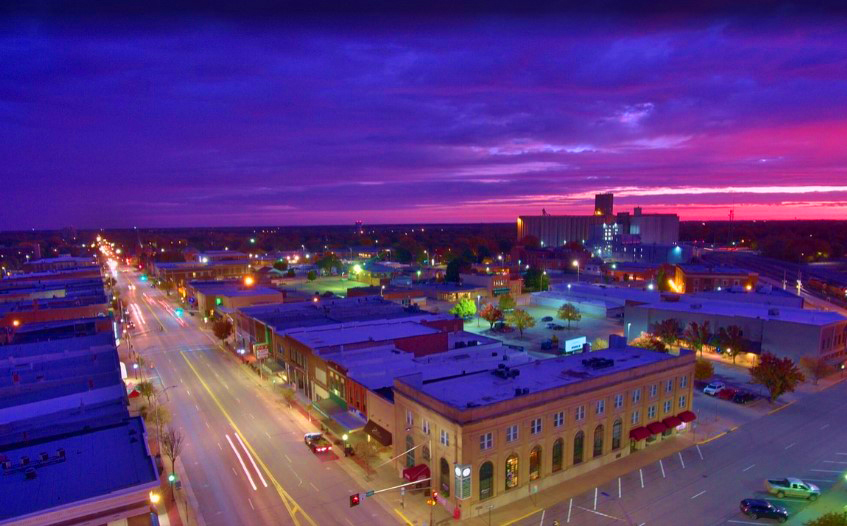


New Year’s Eve is a time of celebration and reflection, marked by various traditions around the world. As the clock strikes midnight, people bid farewell to the old year and welcome the new one with open arms. While New Year’s celebrations share common themes of joy and hope, each country adds its own unique flavor to the festivities. New Year’s in Cuba celebrations are a colorful blend of traditions, music, dance, and cultural influences that truly embody the spirit of the nation.

New Year’s in Cuba: Exploring the Rich Traditions
In Cuba, New Year’s Eve, or “Nochevieja,” is a time of immense excitement and anticipation. The celebrations in Cuba are deeply rooted in the country’s rich history and diverse culture. The unique blend of Spanish, African, and indigenous influences gives rise to vibrant and distinct traditions that set Cuban New Year’s celebrations apart from those in other parts of the world.
Preparation for New Year’s Eve
The arrival of New Year’s Eve in Cuba marks a period of intense preparation. Cubans engage in thorough cleaning and decorating of their homes, believing that a tidy and adorned living space attracts good fortune for the upcoming year. The act of purifying one’s surroundings symbolizes the cleansing of the soul, leaving behind any negativity from the past.
Feast and Family Gathering
Central to Cuban New Year’s Eve celebrations is the grand feast that brings families and communities together. The dinner table is laden with traditional Cuban delicacies, including roast pork, black beans, rice, and yucca. This communal meal is more than just a culinary experience; it’s a time for family members to reconnect, share stories, and strengthen bonds.
Music, Dance, and Fireworks
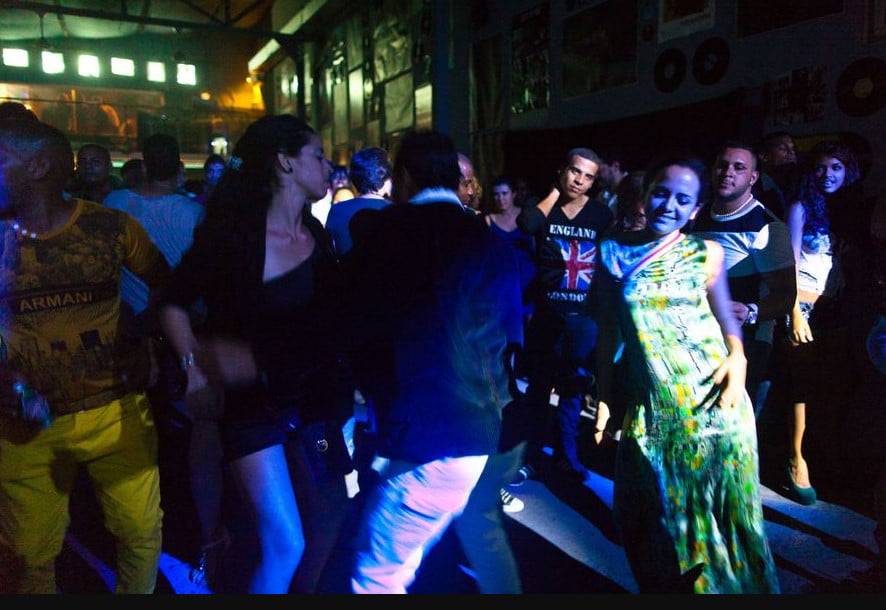
Cubans are known for their love of music and dance, and New Year’s Eve is no exception. Streets come alive with the rhythm of salsa, rumba, and son, inviting people of all ages to dance the night away. Fireworks illuminate the night sky, adding a touch of magic to the festivities and signaling the start of a promising year ahead.
Wishing for Good Luck
As the clock approaches midnight, a special tradition takes center stage in Cuban celebrations. It’s the custom of making twelve wishes, one for each stroke of the clock at midnight. Many Cubans also partake in the ritual of eating twelve grapes as the clock chimes, each grape symbolizing a wish for the upcoming months. It’s a moment filled with hope and anticipation, as everyone eagerly awaits the chance to make their desires known to the universe.
Santería Influence
As the clock approaches midnight, a special tradition takes center stage in Cuban celebrations. It’s the custom of making twelve wishes, one for each stroke of the clock at midnight. Many Cubans also partake in the ritual of eating twelve grapes as the clock chimes, each grape symbolizing a wish for the upcoming months. It’s a moment filled with hope and anticipation, as everyone eagerly awaits the chance to make their desires known to the universe.
Cuban culture is deeply intertwined with the Santería religion, a syncretic blend of Yoruba beliefs and Catholicism. This spiritual fusion is evident in the New Year’s celebrations, where elements of Santería rituals intertwine with more mainstream traditions. Many Cubans turn to Santería practices, such as consulting spiritual guides or performing cleansings, to ensure a positive and prosperous year ahead.
Cultural Significance
New Year’s in Cuba go beyond mere festivities; they hold deep cultural and historical significance. The resilience and spirit of the Cuban people are reflected in the way they come together to embrace the possibilities of a new year, regardless of challenges faced in the past. The celebrations serve as a testament to the nation’s unity and determination.
New Year’s Resolutions
While New Year’s resolutions are a common tradition worldwide, Cubans approach them with their own unique perspective. Resolutions often revolve around personal growth, health, and relationships. Whether it’s learning a new dance style or spending more time with loved ones, these resolutions reflect the values and aspirations of the Cuban people.
New Year’s in Cuba Street Celebrations
New Year’s Eve in Cuba is a time of joy, celebration, and traditions. Havana is a popular destination for tourists and locals alike to ring in the new year. The Cathedral Plaza in Old Havana is a hub of activity, with thousands of people gathering for a night of dancing, rum drinking, dazzling lights, and delicious food1. Here are some of the traditions and superstitions associated with New Year’s Eve in Cuba2:
- Eating 12 grapes at the stroke of midnight, which represent good luck for each month of the coming year.
- Throwing handwritten notes into the sea with wishes for the new year.
- Wearing white clothes to symbolize purity and peace.
- Lighting candles to bring good luck and prosperity.
- Making loud noises, such as banging pots and pans or setting off fireworks, to scare away evil spirits.
Can Tourists Join the Festivities of Cuban New Year’s Celebrations?
New Year’s in Cuba celebrations are not just exclusive to the locals; tourists are warmly welcomed to partake in the vibrant and culturally rich festivities. The island’s festive atmosphere, coupled with its hospitable spirit, makes it a fantastic destination to ring in the New Year in a unique and memorable way.
Immerse in Cultural Revelry
New Year’s Eve in Cuba is a time for sharing meals and memories with family and friends. The celebrations take to the streets, and there is no time for sorrow. The end of the year is a period for reflecting and family reunions everywhere, but in Cuba, it is a time for street parties, family visits, and lots of delicious typical foods.
The traditional Cuban menu includes pork leg, congri rice (mixed rice and beans), yuca (cassava) with mojo, and tamales. Dinner is highly anticipated, and the pork leg is cooked slowly over low heat throughout the day. Cooking is a joint effort that is interspersed with drinks, conversation, and music. The dinner feast is accompanied by a nice, festive table setting.
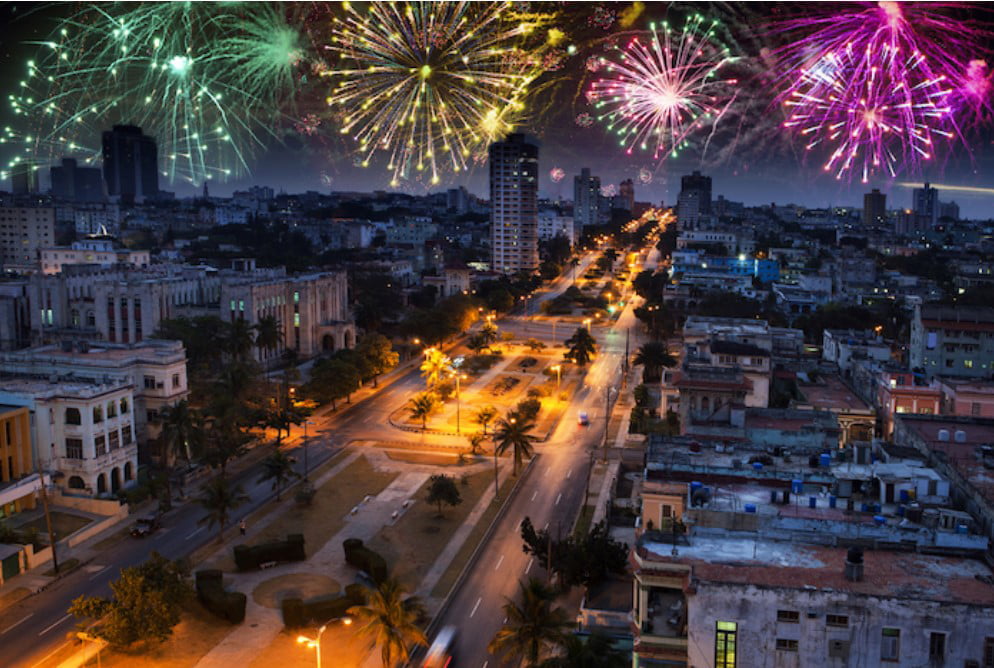
Everyone dresses in their best attire as it is the time of year to make a statement. After dinner, dancing ensues, and at midnight, there is the typical countdown, plus the much-anticipated kissing and hugging. Fireworks are set off along the Malecón, and people take to the streets to continue celebrating. New Year’s Eve in Cuba is a unique and unforgettable experience that should be on every traveler’s bucket list.
Dance to the Rhythms of Cuba
Music and dance are integral to Cuban culture, and New Year’s Eve is no exception. Tourists can dance to the rhythm of salsa, rumba, and son alongside locals, creating a sense of unity and camaraderie. Whether it’s dancing in the streets or at organized events, tourists can enjoy the infectious energy that fills the air.

Witness the Spectacle
Cuba’s New Year’s celebrations are a visual spectacle, complete with colorful fireworks lighting up the night sky. Tourists can gather at prominent spots to witness these dazzling displays and be captivated by the beauty and excitement that marks the transition to a new year.
Comparison with Other Countries
New Year’s Eve is celebrated all around the world, and each country has its own unique traditions and customs. Here are some comparisons between New Year’s Eve in Cuba and other countries:
- In Cuba, New Year’s Eve is a time for family reunions, street parties, and live concerts performed by the best Cuban musicians. In Spain, people eat 12 grapes at the stroke of midnight, which represent good luck for each month of the coming year.
- In Cuba, people wear white clothes to symbolize purity and peace. In Japan, people wear traditional clothes and visit temples to pray for good fortune and health.
- In Cuba, people make loud noises, such as banging pots and pans or setting off fireworks, to scare away evil spirits. In Scotland, people celebrate Hogmanay by lighting bonfires and swinging fireballs to purify the air.
- In Cuba, people throw handwritten notes into the sea with wishes for the new year. In Denmark, people smash plates against their friends’ doors to show affection and good luck.
New Year’s Eve in Cuba is a unique and unforgettable experience that should be on every traveler’s bucket list. The warmth of its people, the catchy rhythm of its music, and the delicious typical foods make it a perfect destination to celebrate the end of the year
Preservation of Traditions
Cubans hold their traditions close to their hearts, understanding the importance of passing them down through generations. Families take pride in teaching younger members the significance of each ritual and the stories that accompany them. This commitment to cultural preservation ensures that the vibrant tapestry of Cuban traditions remains intact for years to come.
New Beginnings and Optimism
As the final seconds of the year tick away, there’s a collective sense of excitement and optimism that fills the air. The arrival of the New Year symbolizes a fresh start, a chance to leave behind regrets and embrace new opportunities. It’s a time when Cubans come together to celebrate life, resilience, and the promise of better days ahead.
Conclusion
New Year’s in Cuba is a celebration that encapsulates the heart and soul of the nation. With a fusion of music, dance, tradition, and optimism, the festivities are a testament to the resilience and unity of the Cuban people. As the clock strikes midnight, the island comes alive with the promise of a new chapter, inviting both locals and visitors to be a part of this vibrant cultural tapestry.
Frequently Asked Questions (FAQs)
What is the significance of eating twelve grapes at midnight? Eating twelve grapes at midnight is a Cuban tradition to make twelve wishes for the upcoming months of the year.
- How does Santería influence New Year’s celebrations in Cuba? Santería, a syncretic religion, adds spiritual elements to the celebrations, such as rituals and practices to ensure a positive year.
- What are some common New Year’s resolutions for Cubans? Common resolutions include personal growth, health, and relationships, reflecting the values of the Cuban people.
- What sets Cuban New Year’s celebrations apart from those in other countries? Cuban celebrations emphasize music, dance, and community, creating a unique and lively atmosphere that’s distinct from traditional celebrations elsewhere.