



Hitchhiking offers a unique, budget-friendly way to travel, allowing adventurers to explore the open road while meeting new people. If you’re considering hitchhiking from California to Tennessee, this article will guide you through the essentials, from preparation to techniques and tips for a safe journey.
Understanding Hitchhiking
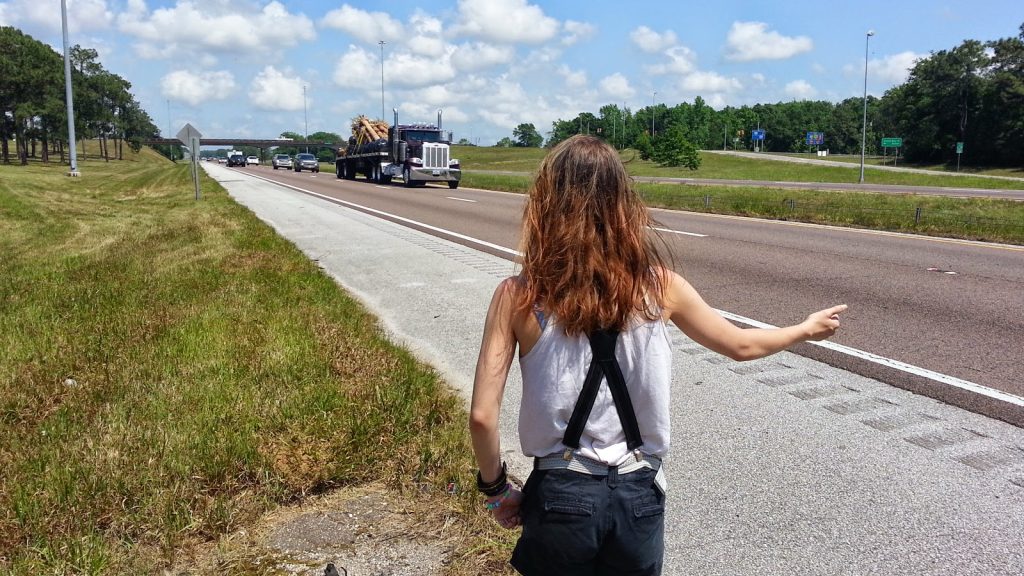
Hitchhiking is the practice of seeking rides from passing vehicles by standing on the roadside and gesturing to drivers. It’s a transportation method that relies on the kindness of strangers and can lead to remarkable experiences. However, despite its adventurous charm, hitchhiking requires preparation and awareness. Understanding the legal and social aspects of hitchhiking in the U.S. is crucial to ensure a positive experience.
Before embarking on your trip, familiarize yourself with the hitchhiking laws in both California and Tennessee. Many states allow hitchhiking, but there are specific regulations to adhere to, such as not standing on highways or private property. Research local customs and norms, as they can greatly influence your success.
Planning Your Route
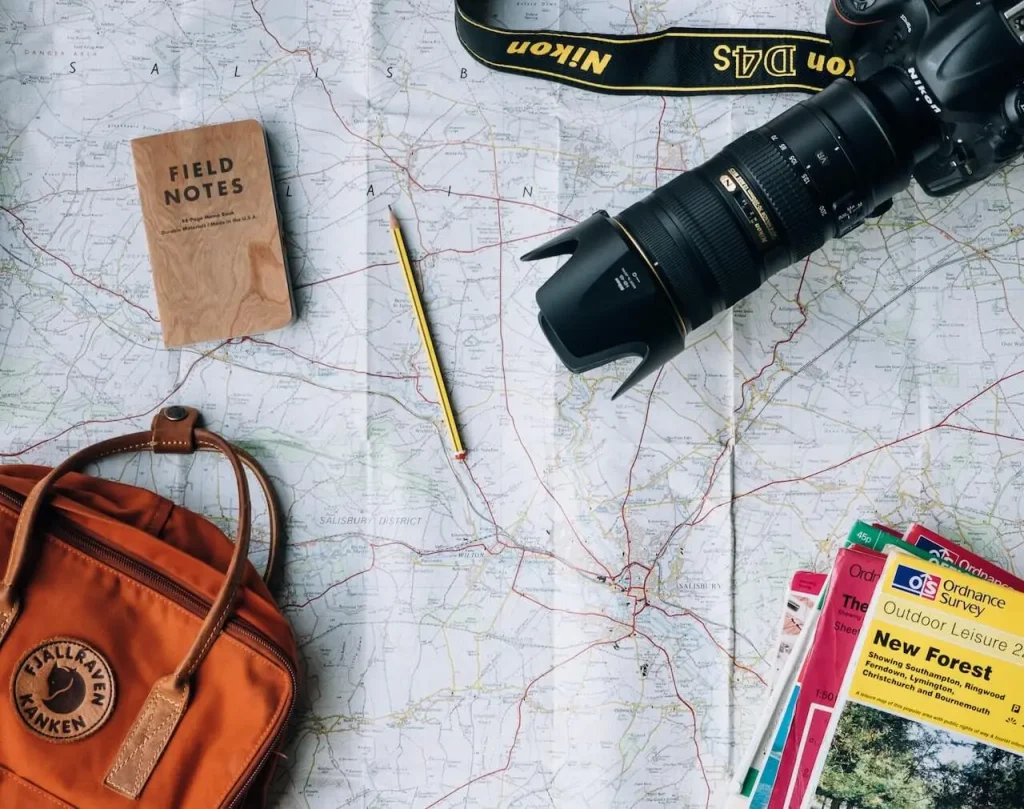
The journey from California to Tennessee spans over 1,800 miles, so having a general route in mind is important. Utilize maps and GPS applications to identify interstates and highways used by long-distance travelers. Major highways such as Interstate 40 (I-40) provide direct access across the country and are commonly frequented by drivers headed eastward.
Mapping out your journey will also help you identify towns and cities where you can stop for rest, food, and water. Consider having a few potential pickup spots in mind, such as rest areas, gas stations, or places where travelers frequently stop. These locations are often more accommodating to hitchhikers and offer a higher likelihood of getting picked up.
Packing Essentials
Successful hitchhiking relies on careful packing. Bring a backpack with enough supplies to last you a few days, including clothing, toiletries, and a first-aid kit. An extra layer of clothing is vital, especially in variable weather conditions across states. Comfortable shoes are essential, as you may be standing for long periods or walking considerable distances.
Furthermore, prioritize food and water. Non-perishable snacks, dried fruits, and plenty of water will keep you refreshed and energized during your travels. Avoid excessive weights, as you’ll need to carry your backpack while waiting for rides.
What Makes Chocolate Hole in St. John, USVI a Must-Visit?
By Town of traveller
Perfecting Your Appearance
Your appearance plays a significant role in how drivers perceive you. Aim for a clean, presentable look to increase your chances of being picked up. Dressing in casual, comfortable clothing is advisable. Bright colors can help you stand out, but choose items that reflect an approachable demeanor. Adding a smile and maintaining an open body language can further enhance your charisma.
Consider making a sign that displays your destination. This simple tool can communicate your goal quickly and effectively to passing drivers. Ensure that your sign is legible, using large, bold letters. Along with your destination, you may also want to include a small “Thank You” or “Please Help” message to express your gratitude.
Choosing Your Locations Wisely
Selecting the right spots to hitchhike can make a massive difference in your ability to get a ride. Highways and roads with heavier traffic are ideal, especially near significant intersections or on-ramps. These locations allow drivers an opportunity to pull over safely.
Rest stops, gas stations, and fast-food restaurants are excellent places to position yourself. Drivers may be more inclined to pick up hitchhikers when they are stopping for gas or food. Engaging with motorists while they are at these locations also increases your chances of getting a ride.
Safety First
Safety should always be a priority. While hitchhiking can be rewarding, it can also present risks. Always trust your instincts; if a driver makes you feel uncomfortable, it’s best to decline the ride. Maintain a level of awareness regarding your surroundings and stay in communication with someone back home, informing them of your journey route and expected arrival times.
Keep emergency contact information handy, including the numbers for roadside assistance. Familiarize yourself with local emergency services in case you face any challenges. It’s also beneficial to carry a card with your identification that clearly states your name and important medical information in case of emergency.
Building Interpersonal Skills
One of the most enjoyable aspects of hitchhiking is meeting new people. Interact with drivers and other travelers with honesty and friendliness. Engaging conversations can lead to unexpected opportunities, insights, or even lasting connections. Maintain a positive attitude, as this can make drivers more inclined to pick you up.
Listening is also important. Pay attention to drivers’ stories and experiences during the ride, as it can lead to meaningful exchanges. However, be respectful of their space and understand that not all drivers may be chatty.
Coping with Challenges
Hitchhiking is not always a smooth process; it comes with its own set of challenges. Patience is key, as you might experience long waits between rides. Be prepared mentally and physically for this aspect of the journey. Having a book, music, or podcast can help pass the time while waiting.
Weather conditions can also present significant challenges. Carry a rain jacket or poncho, and beware of extreme temperatures. Know when to seek shelter and how to adapt your plans based on weather changes.
Documenting Your Journey
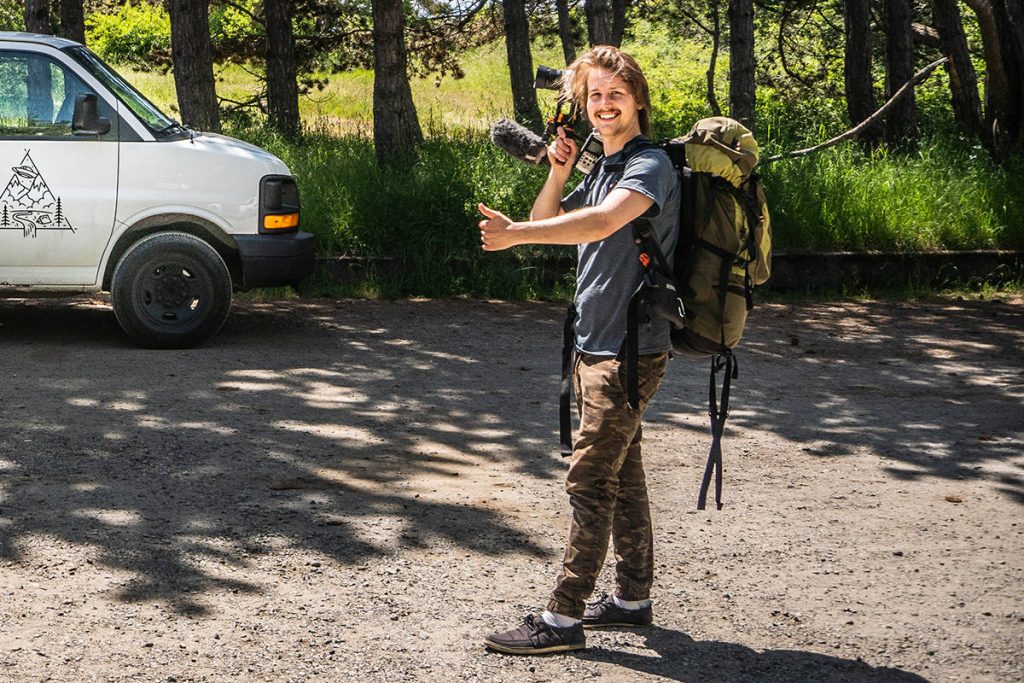
Capture your experiences by documenting your journey in a journal or through photography. Sharing your stories, whether through social media or personal accounts, not only preserves your memories but can also inspire others to undertake similar adventures. Your stories may resonate with fellow travelers or those interested in hitchhiking.
Connecting with Other Hitchhikers
Finally, consider connecting with fellow hitchhikers, either online or in person. There are social media groups and forums dedicated to hitchhiking that can provide advice, tips, or even potential travel companions. Engaging with like-minded adventurers can enhance your experiences and broaden your understanding of the hitchhiking community.
Conclusion
Hitchhiking from California to Tennessee can be an exhilarating adventure filled with fascinating encounters and memorable experiences. By preparing adequately, understanding your surroundings, and prioritizing your safety, you can ensure your journey is rewarding. Keep an open mind and embrace the spontaneity that comes with the trip; you may find moments of beauty and kindness that remind you of the best in humanity. Every ride and every story brings you closer to your destination while enriching your view of the world.
FAQs
- Is hitchhiking safe?
While hitchhiking has its risks, many travelers successfully hitchhike by following safety tips, trusting their instincts, and maintaining awareness of their surroundings. It’s essential to have a plan and stay cautious. - How can I improve my chances of getting a ride?
To improve your chances, choose busy locations for hitchhiking, maintain a friendly appearance, use a clear sign for your destination, and engage with drivers at rest stops or gas stations. - What should I do if I feel uncomfortable with a driver?
If you feel uneasy with a driver or the situation, politely decline the ride and wait for a different opportunity to hitchhike. - What is the best time to hitchhike?
Daylight is generally the best time to hitchhike. Many drivers prefer picking up hitchhikers during the day when visibility is better. - Can I hitchhike with pets?
While some drivers may be open to giving rides to hitchhikers with pets, it can complicate the process. Always ensure your pet is well-behaved and consider the comfort of both the animal and the driver