

When exploring the wine regions of California, you may encounter two seemingly similar names: Stag’s Leap and Stags’ Leap. While they sound alike, they refer to two distinct wineries in Napa Valley, each with its own unique offerings and story. Understanding the differences can enhance your travel experience and wine tasting journey.
A Brief Overview of the Regions
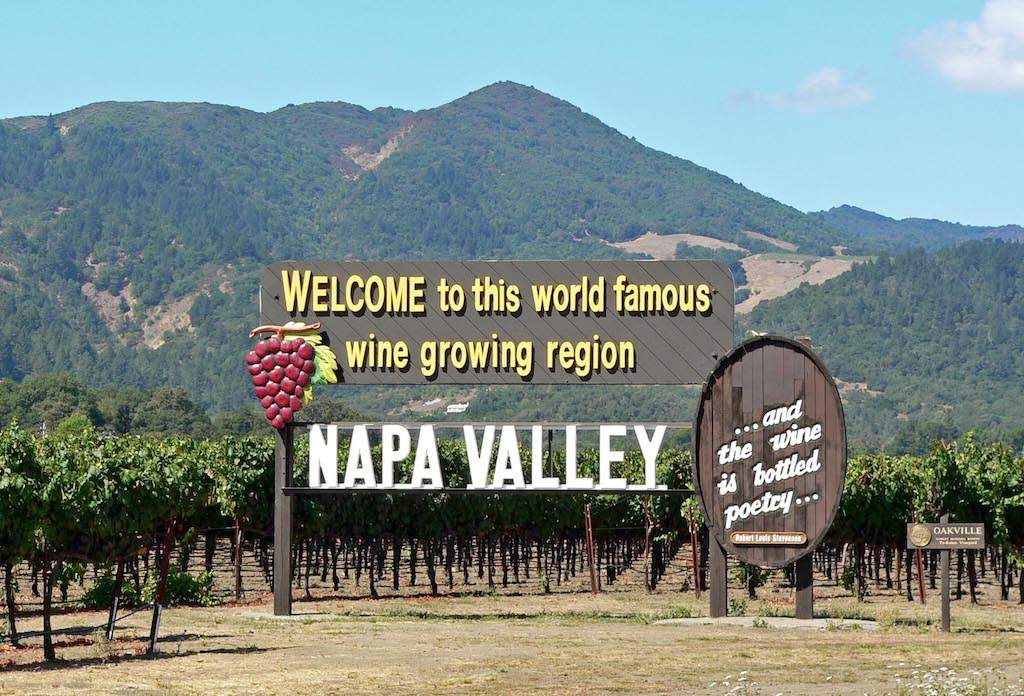
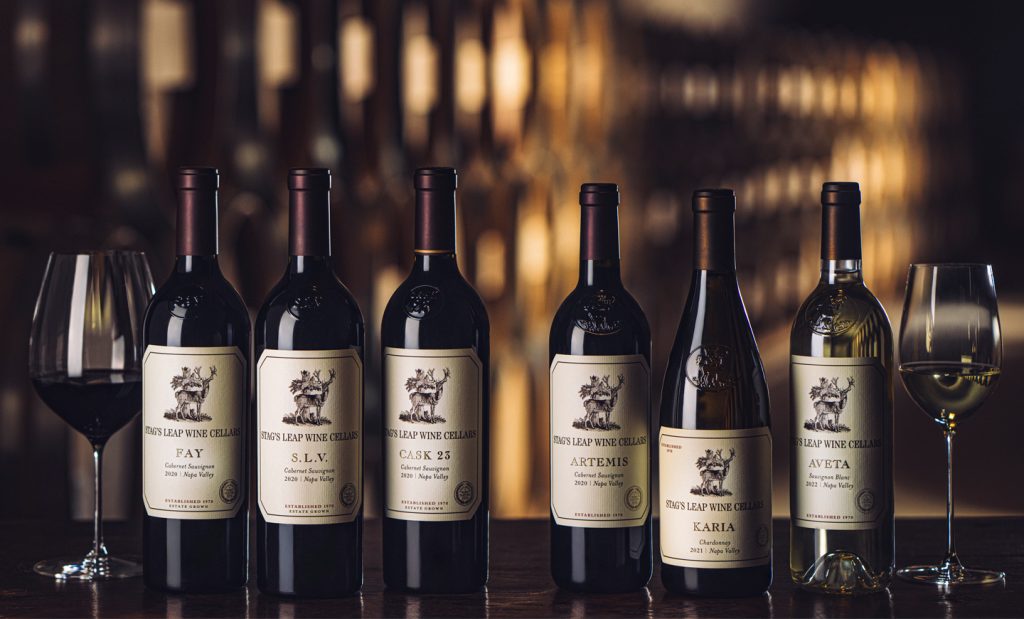
Napa Valley is renowned for its picturesque landscapes and world-class wines. It features a diverse climate, which allows for a variety of grapes to flourish. Among its many charms, two names stand out—Stag’s Leap Wine District and Stags’ Leap Winery. The first, Stag’s Leap Wine District, is a sub-appellation known for its elegant Cabernet Sauvignon, while the latter, Stags’ Leap Winery, offers a broader selection of wines, including iconic blends and white wines.
Both locations are steeped in history and reputation, making them must-visit spots for wine enthusiasts. As you journey through Napa Valley, knowing the distinctions between these two regions can help you appreciate the rich tapestry of wines available.
History and Origins
The history of both Stag’s Leap and Stags’ Leap stretches back to the late 20th century. Stags’ Leap Winery was established in 1893, making it one of the oldest wineries in the Napa region. Its early reputation was built on high-quality Zinfandel wines. After several changes in ownership and a period of decline, it was revitalized in the 1970s, focusing on producing premium wines.
In contrast, the Stag’s Leap Wine District gained international acclaim after the historic 1976 Paris Wine Tasting, where its Cabernet Sauvignon beat French wines. This event significantly changed the perception of California wines and solidified Stag’s Leap’s place in the wine world. Each location embodies a rich heritage, yet their stories and contributions to the wine industry differ significantly.
Geographic Locations
Geographically, Stag’s Leap lies within the Napa Valley AVA (American Viticultural Area) and includes a portion of the Stag’s Leap Wine District. This region is characterized by its unique geological formations and microclimates, which play a critical role in wine production. The area’s varied elevations and soils offer the perfect conditions for cultivating Cabernet Sauvignon and Merlot.
Conversely, Stags’ Leap Winery is situated a bit further south in Napa Valley, nestled against the backdrop of the eastern hills. This location takes advantage of the warmer temperatures, which are ideal for growing Bordeaux varietals, especially Zinfandel and Merlot. Even though they are close in proximity, the subtle differences in climate and geography affect the wine characteristics produced by these two wineries.
What Are the Must-See Stops Along I-94 in Minnesota?
By Town of traveller
Wine Varietals and Styles
When it comes to wine varietals and styles, Stag’s Leap and Stags’ Leap offer distinct experiences. Stag’s Leap is predominantly known for its luxurious Cabernet Sauvignon, which showcases a range of fruit flavors—like black cherry and plum—balanced by firm tannins and a smooth finish. The wines often reflect the terroir of the region, with notes of herbal and earthy complexity.
On the other hand, Stags’ Leap Winery takes pride in a wider range of wine styles. They are celebrated for their rich, fruit-forward Zinfandels, which often feature jammy berry flavors, along with their crisp Chardonnay. The winery’s blends also exhibit a smoothness and finesse, making them a pleasure for casual winers and connoisseurs alike. Exploring the different varietals is one of the highlights of a visit to these wineries.
Tasting Experiences
Tasting experiences at Stag’s Leap and Stags’ Leap also differ significantly. Stag’s Leap offers a classic, refined tasting room experience, focusing primarily on their renowned Cabernet Sauvignon. Visitors can enjoy structured tastings that highlight the nuances of each vintage. Additionally, small-group tours offer insights into winemaking techniques and vineyard management, fostering a deeper appreciation for the craftsmanship involved.
Stags’ Leap Winery, in contrast, provides a more relaxed and casual atmosphere. The winery’s expansive grounds allow for outdoor tastings, which can be particularly delightful on a sunny Napa day. They usually feature a variety of wine flights, making it easy for visitors to sample different styles. Many guests enjoy pairing their wines with artisan cheeses or charcuterie boards, making the experience both tasty and memorable.
Culinary Pairings
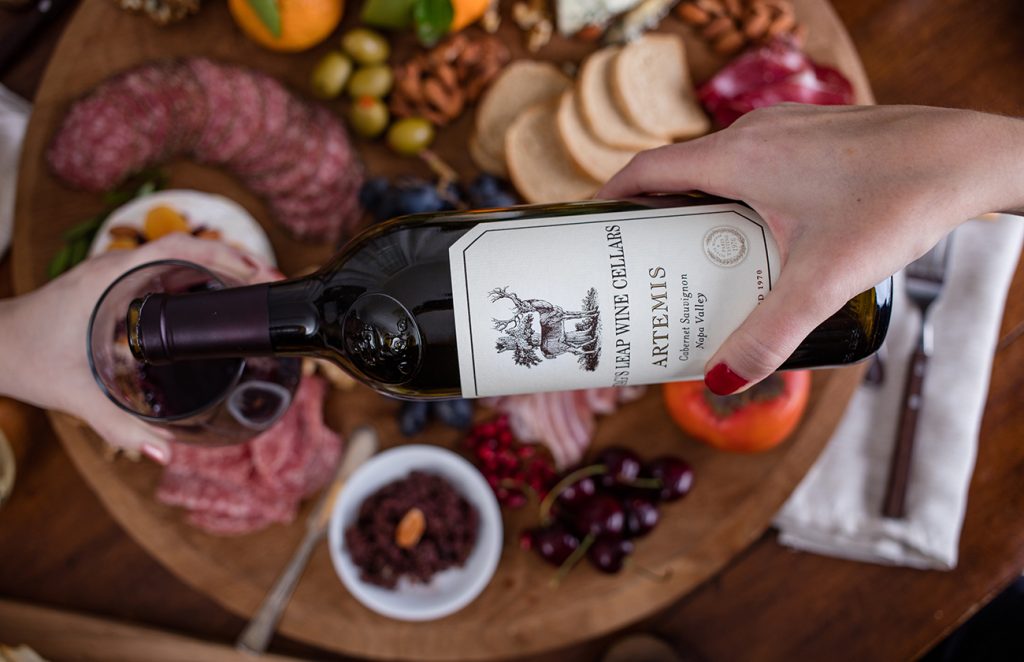
Wine is often best enjoyed with food, and both Stag’s Leap and Stags’ Leap offer excellent pairing suggestions. Stag’s Leap wines are particularly well-suited for hearty meals, such as grilled meats or rich pasta dishes. Their Cabernet Sauvignon, for instance, enhances the flavors of barbecued steak or a rich mushroom risotto beautifully.
At Stags’ Leap Winery, the focus on Zinfandel gives rise to a variety of delicious culinary pairings. Think barbecue dishes, spicy cuisine, or even pizza—Zinfandel’s bold flavors complement these foods exceptionally well. The winery also features tastings that are designed to showcase these pairings, providing a full sensory experience.
Events and Activities
Both Stag’s Leap and Stags’ Leap host a variety of events throughout the year, enhancing the experience for visitors. Stag’s Leap often organizes exclusive winemaker dinners or special tastings that provide insights into limited-release wines. Seasonal events and vineyard tours allow guests to engage with the winemaking process and enjoy stunning views of the vineyards.
On the other hand, Stags’ Leap Winery frequently hosts outdoor events like jazz concerts and film nights, making it a lively destination during the warmer months. The picturesque setting provides an ideal backdrop for enjoying live music while sipping on a delightful glass of wine. These events not only create a sense of community but also elevate the winery experience beyond the traditional tasting.
Visiting Tips
Planning a visit to Napa Valley often means making choices between different wineries. Here are a few tips to consider when deciding between Stag’s Leap and Stags’ Leap:
- Make Reservations: To enhance your experience and avoid disappointment, make reservations in advance. Both wineries often have limited tasting slots, especially during peak seasons.
- Explore the Grounds: Take the time to explore not just the tasting rooms but the surrounding grounds. Stags’ Leap Winery, in particular, boasts beautiful landscaping that can be enjoyed while sipping wine outdoors.
- Engage with Staff: Don’t hesitate to ask staff questions about the wines, the region, and the winemaking process. Their insights can enrich your understanding and enjoyment of the wines.
- Plan for Multiple Visits: If time allows, consider visiting both wineries on different days. Each offers a distinct experience, and you’ll appreciate the nuances of Napa’s varied offerings.
- Consider Transportation: For a stress-free experience, consider using a transportation service to navigate between wineries, especially if you plan on sampling a range of wines.
Conclusion
Understanding the difference between Stag’s Leap Wine District and Stags’ Leap Winery not only enriches your wine-tasting experience but also enhances your overall journey through Napa Valley. Each venue offers its own unique narrative, flavor profiles, and tasting experiences. Whether you prefer the elegance of Stag’s Leap Cabernet Sauvignon or the approachable, diverse offerings of Stags’ Leap, both wineries stand as testaments to the exceptional quality and variety of Napa Valley wines.
As you meander through the beautiful Napa Valley, take the time to appreciate the individual character of both Stag’s Leap and Stags’ Leap, making your wine adventure all the more rewarding. Each sip tells a story, and each visit deepens your connection to this remarkable wine-producing region.
FAQs
- What is the best time of year to visit Napa Valley?
The best times to visit Napa Valley are during the spring (March to May) and fall (September to November). The weather is mild, and you can enjoy beautiful scenery as the vineyards blossom or shift colors. - Can I tour the vineyards at both wineries?
Yes, both Stag’s Leap and Stags’ Leap offer vineyard tours. These tours often provide insights into the winemaking process and the unique terroirs of each winery. - Are there dining options available at the wineries?
Some experiences at both wineries may include food pairings or snacks, but it is best to check in advance if the wineries have on-site dining options available. - Is it necessary to have a reservation for wine tastings?
Yes, it is advisable to make a reservation for wine tastings, especially during peak seasons. This ensures you have a guaranteed spot and can enjoy a better experience. - Are both wineries suitable for first-time wine tasters?
Absolutely! Both Stag’s Leap and Stags’ Leap welcome wine enthusiasts of all levels. The knowledgeable staff will help guide you through the tasting experience, making it enjoyable for everyone.