


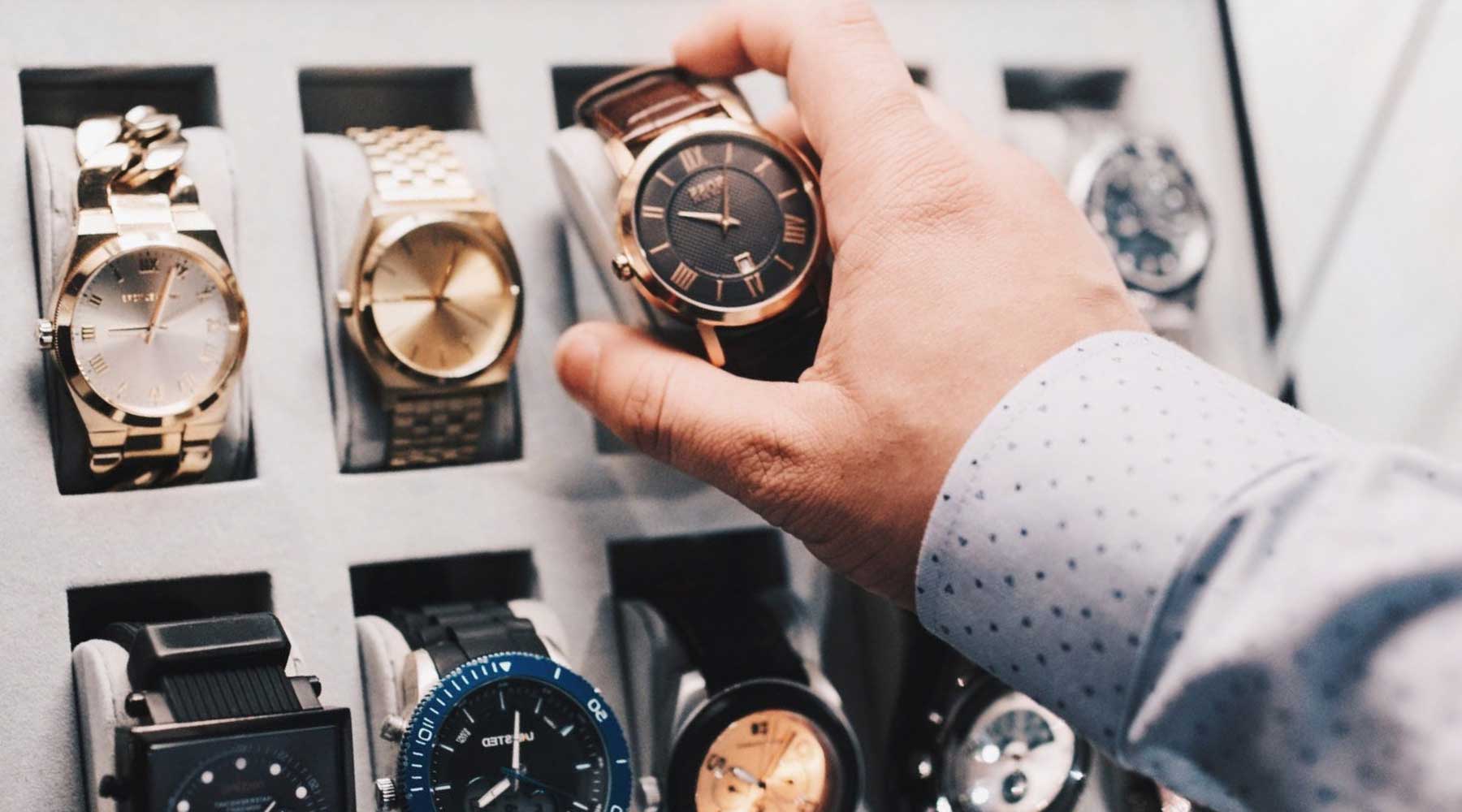
When traveling to Europe, one question often arises for watch enthusiasts: are watches cheaper in Europe than in other parts of the world? This article explores various factors that influence watch pricing across regions, including taxes, brands, availability, and traveler tips for securing the best deals.
Understanding Regional Pricing Differences
Watches are luxury items that often vary significantly in price depending on the region you are in. Various factors contribute to this discrepancy, such as local taxes, tariffs, and distribution costs. In Europe, the prices can be more attractive due to lower taxes for specific brands and models, or even the absence of additional tariffs that may apply in other regions.
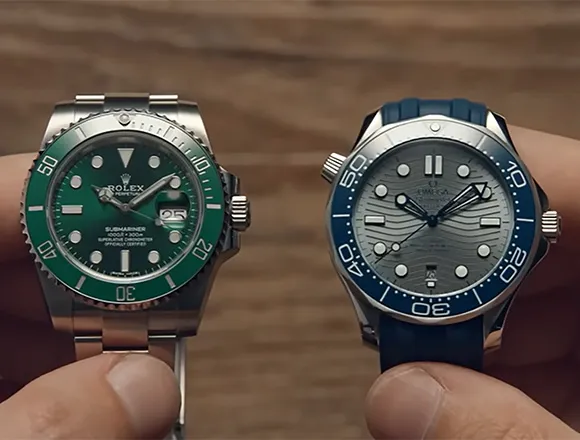
When considering luxury brands like Rolex, Omega, and others, European countries like Switzerland and France often serve as the home ground for some of these manufacturers. This local presence can sometimes lead to more competitive pricing than in markets like North America or Asia, where import duties and taxes can inflate the price considerably.
Availability and Selection of Brands
Europe boasts a more extensive selection of luxury and niche watch brands compared to other regions. Major watch fairs and exhibitions occur frequently, attracting global brands and renowned watchmakers. In towns like Geneva, you can find exclusive pieces and limited-edition releases that may not be readily available in your home country.
Additionally, famous shopping destinations like Paris, Milan, and London have numerous boutiques and authorized dealers. The competition among these retailers may lead to price reductions and promotional offerings that an out-of-market buyer may not experience. Such a diverse range of options means travelers often encounter better pricing for specific pieces compared to regions with limited selections.
Exchange Rates and Seasonal Discounts
One significant advantage for travelers to consider is the fluctuation of exchange rates that can benefit your purchase. For instance, if the euro is weaker against your home currency, you could secure a watch at an even lower price. Furthermore, seasonal sales or promotional events, commonly seen during holidays or end-of-season clearance, can also drive prices down.
During quieter tourism periods, retailers may offer discounts to encourage sales, making it worthwhile to keep an eye out for deals if your travel dates are flexible. Even when a tourist is not privy to local sales events, simply purchasing in the off-season can yield savings, as prices may revert to normal once the peak tourist season comes around.
Is Wildwood Better Than Ocean City for Family Vacations?
By Town of traveller
Tax Refunds for Tourists
Travelers visiting Europe can also take advantage of the Value Added Tax (VAT) refund, which can significantly impact the final price of a watch. VAT varies by country but is generally around 20%. Non-European Union residents are eligible for this refund on purchases above a certain threshold, often around €175.
To claim this refund, tourists must obtain the necessary paperwork when making the purchase and present it at customs upon departure. After following the procedure, a refund for the VAT amount can lead to considerable savings. Before making a purchase, it is wise to consult the specific VAT policies of the country you are visiting, as procedures and amounts can vary.
Local Market Trends
Local market dynamics also play a crucial role in price variations. For instance, luxury watches may be not only more affordable but also trendier in certain European nations due to cultural preferences or seasonal fashion trends. The variety of designs and editions aimed at the local market can influence overall pricing as brands cater to regional tastes.
Moreover, European retailers may stock items that reflect local styles, patterns, or limited editions tied to events or anniversaries, providing an opportunity for buyers to invest in watches that could appreciate in value. This aspect makes Europe not only a better location for saving money but also for acquiring unique pieces to enhance a collection.
Duties and Import Taxes
For travelers considering purchasing watches in Europe and taking them back home, it’s essential to understand the duties and import taxes that may apply upon returning to your country. Some nations have strict regulations on the importation of luxury goods, often requiring declaration and incurring customs duties.
For example, residents of the United States must declare any foreign purchases exceeding a certain value, generally $800. If you exceed this allowance, expect duties or taxes applied to the total value over the limit, which could negate any savings made during your shopping spree. Thus, it’s prudent to familiarize yourself with your home country’s import regulations before making a significant purchase.
Authenticity and Warranty Considerations
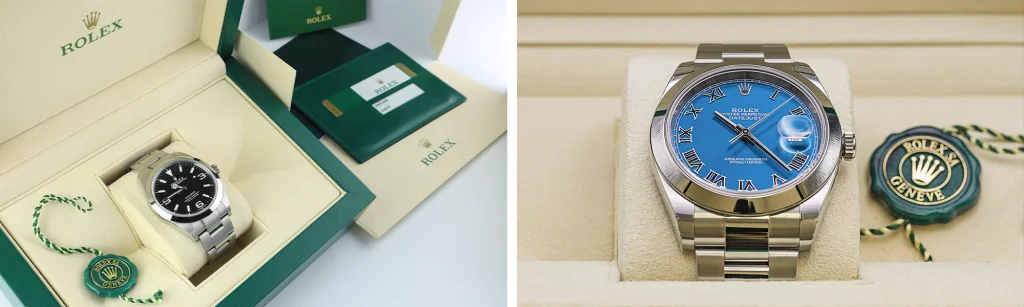
Another point of consideration when buying watches in Europe is the issue of authenticity and warranty validation. Purchasing from authorized dealers ensures that your watch comes with a genuine warranty that is respected across various markets. This safety net can’t always be guaranteed with purchases from non-authorized sellers or on the gray market, which may lead to future complications should repairs be required.
In contrast, buying from recognized retailers in Europe means that you can enjoy peace of mind not just about the quality of your luxury item, but also its resale potential, given that many collectors and investors evaluate the provenance of a watch before making a purchase.
Conclusion
In summary, are watches cheaper in Europe than in other regions? The answer depends on various factors, including brand, model availability, local taxes, and exchange rates. While you can often find attractive pricing and promotions on luxury watches throughout Europe, it’s essential to be aware of local regulations regarding VAT refunds and potential import duties as you consider your purchase.
By understanding the pricing dynamics, staying informed about seasonal discounts, and taking advantage of VAT refunds, you can make the most of your luxurious watch acquisition while traveling in Europe. Whether you’re after a classic timepiece or a trendy edition, exploring Europe could lead to splendid deals that are hard to find elsewhere.
FAQs
1. What should I keep in mind when purchasing a watch in Europe?
Always buy from authorized dealers for authenticity and warranty coverage and be aware of local VAT refund processes to save on your purchase.
2. Can I get a better deal on watches online or in-store while traveling?
While online deals can be attractive, purchasing in-store often allows you to access local promotions and verify authenticity personally.
3. Are luxury watches in Europe notably more affordable than in Asia?
It varies based on the brand and design, but European markets often have a competitive edge due to lower taxes and more extensive selections.
4. If I buy a watch in Europe, do I need to declare it when returning home?
Yes, be sure to check your country’s customs regulations, as you may need to declare and possibly pay duties if the value exceeds the allowed limit.
5. How can I find seasonal discounts on watches in Europe?
Stay alert for promotional events, inquire with local retailers, and explore shopping areas during off-peak tourist seasons for potential deals.


