

Vietnam and Cambodia are two Southeast Asian gems known for their rich history, stunning landscapes, and vibrant cultures. A journey through these countries offers an unforgettable experience, full of must-see highlights. This article explores the top attractions and experiences to include in your Vietnam and Cambodia itinerary, guiding you through their unique charms.
The Dynamic City of Ho Chi Minh City
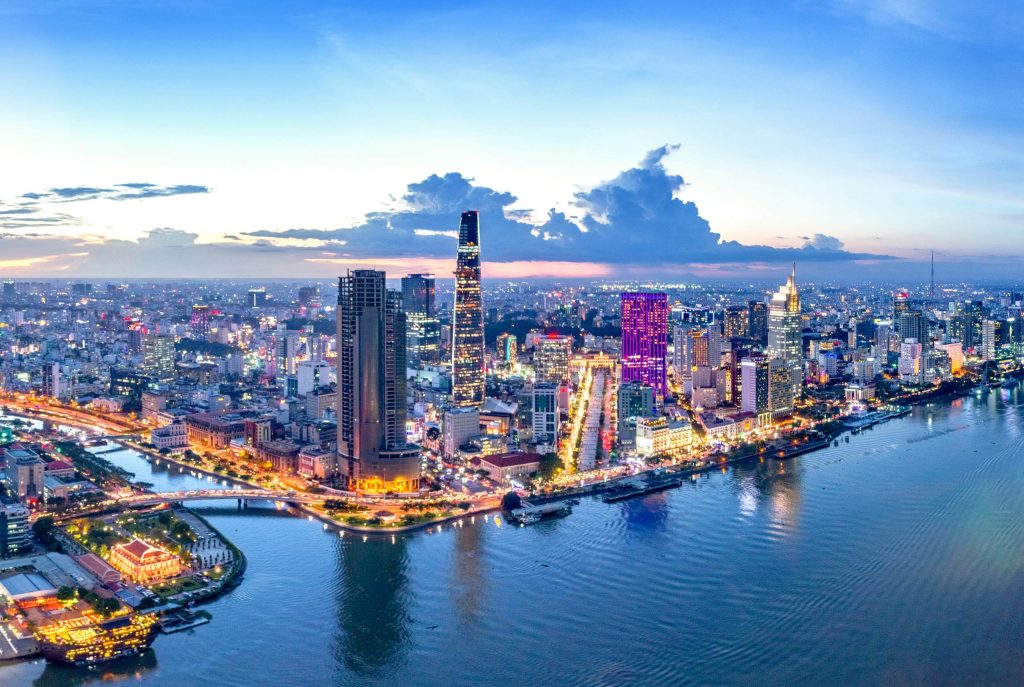
Starting in Vietnam, Ho Chi Minh City, formerly known as Saigon, is a bustling metropolis that perfectly blends traditional and modern life. Notable for its thriving street food scene, you can savor local dishes such as pho and banh mi from street vendors. The city is a paradise for food lovers and offers a chance to experience local culture intimately.
One must-visit site in Ho Chi Minh City is the War Remnants Museum. This museum holds poignant exhibits documenting the Vietnam War’s impact. Its portrayal of the war through photographs and artifacts offers invaluable insights into the country’s history. The Reunification Palace, with its striking architecture and historical significance, is also a must-see. This was the site of the fall of Saigon in 1975, making it a vital part of Vietnam’s narrative.
The Enchanting Mekong Delta
Another highlight of a Vietnam itinerary is the Mekong Delta. It features a labyrinth of rivers, swamps, and islands and offers an immersive experience into rural Vietnam. A boat tour is an excellent way to explore this unique landscape. You can visit floating markets, like Cai Rang, where vendors sell fruits and vegetables from their boats, creating a colorful and lively atmosphere.
In the delta, you can also learn about traditional crafts, such as coconut candy and rice paper making. Engaging with local families will give you insight into their daily lives and customs. Birdwatching and visiting lush orchards adds to the charm of this destination, making it a perfect escape from the urban hustle.
What Are the Top Must-Visit Places in Japan and South Korea?
By Town of traveller
The Classical Beauty of Hoi An
Next on your Vietnam journey should be Hoi An, a UNESCO World Heritage Site. This ancient town is known for its well-preserved architecture and historical significance as a trading port. Strolling along its lantern-lit streets, you’ll find a striking blend of Vietnamese, Chinese, and French influences. Hoi An is famous for its tailor shops; you can get custom-made clothing in a day.
Another must-see in Hoi An is the UNESCO-recognized Ancient Town itself. It boasts charming wooden buildings, historic temples, and bustling markets. Visiting the night market is a highlight, where vendors sell handicrafts, street food, and souvenirs. Don’t miss the chance to take a cooking class to learn about Vietnamese cuisine.
The Cultural Capital of Hanoi
As you continue through Vietnam, make your way to Hanoi, the country’s capital. This vibrant city is a treasure trove of cultural experiences and historical attractions. The Old Quarter is a fascinating mix of narrow streets and colonial architecture, where you can explore shops, cafés, and bustling markets.
A visit to the Ho Chi Minh Mausoleum is essential to pay your respects to the revolutionary leader. Nearby, the One Pillar Pagoda and the Temple of Literature offer a glimpse into Vietnam’s religious and educational heritage. Enjoying a traditional Vietnamese coffee in one of the many street-side vendors adds to the local experience.
Magnificent Ha Long Bay
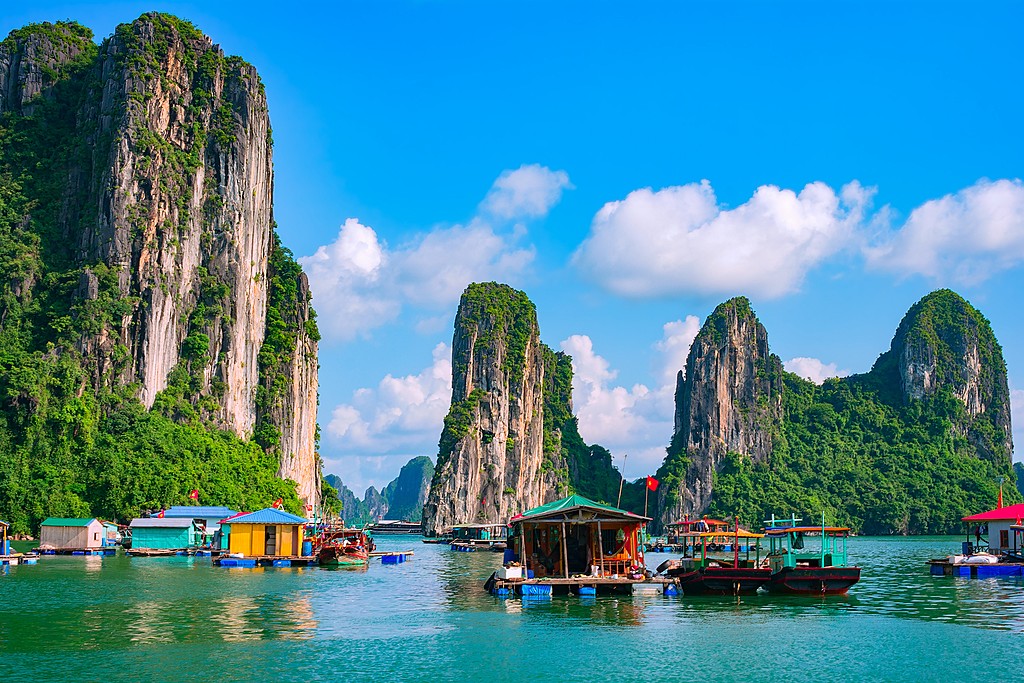
No trip to Vietnam is complete without a visit to Ha Long Bay, a UNESCO World Heritage Site known for its emerald waters and thousands of limestone islands. A cruise through the bay offers breathtaking views and an opportunity to explore the unique karst landscape. Many tours offer options to kayak, swim, or visit secluded beaches.
Don’t miss the Sung Sot Cave, one of the largest and most impressive caves in Ha Long Bay. The exploration of this natural wonder leaves you in awe of the intricate rock formations inside. Spending a night on a traditional junk boat in the bay allows for an unforgettable experience under the stars.
The Spiritual Heart of Cambodia: Siem Reap
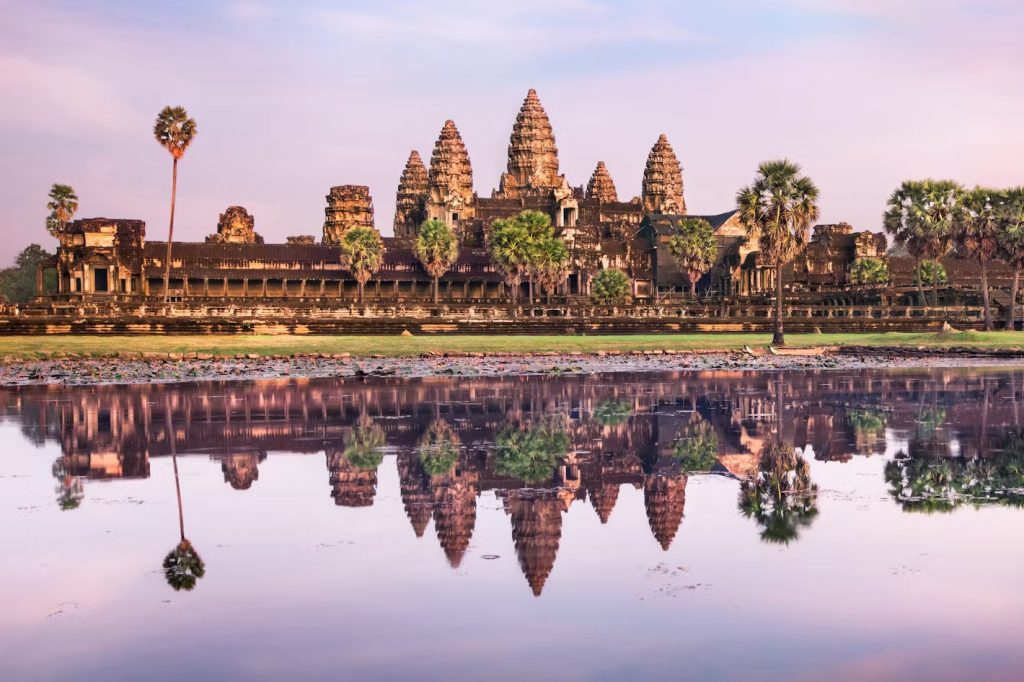
After exploring Vietnam, head to Cambodia, starting with Siem Reap. This town serves as the gateway to the majestic Angkor Wat temple complex, one of the world’s most significant archaeological sites. Angkor Wat itself, with its stunning architecture and intricate carvings, is a highlight not to be missed.
In addition to Angkor Wat, the entire complex includes many other temples worth visiting. Bayon Temple, with its iconic stone faces, and Ta Prohm, known for its intertwined tree roots and ruins, are two notable examples. You can easily spend days discovering the mysteries of ancient Khmer civilization.
The Historical Significance of Phnom Penh
Traveling to Cambodia’s capital, Phnom Penh, offers a profound historical experience. The city is home to the Royal Palace, which is a beautiful example of Cambodian architecture. The Silver Pagoda, located within the palace grounds, houses numerous national treasures, including a life-sized gold Buddha adorned with diamonds.
Another crucial site is the S21 Museum, also known as the Tuol Sleng Genocide Museum. This former school turned prison provides shocking insights into the Khmer Rouge regime’s brutality. Visiting the Killing Fields offers a somber reminder of Cambodia’s tragic past, making it an essential part of understanding the nation’s history.
The Natural Wonders of Kampot and Kep
Exploring Cambodia would be incomplete without visiting Kampot and Kep, regions known for their natural beauty. Kampot is famous for its pepper plantations and the stunning Bokor National Park, where you can hike to see waterfalls and panoramic views of the countryside.
Kep, with its coastal charm, is known for its delicious crab dishes and serene beaches. The nearby Kep National Park offers hiking trails through lush forests with ocean views. A visit to the iconic crab market is a must for fresh seafood and a taste of local life.
The Coastal Serenity of Sihanoukville
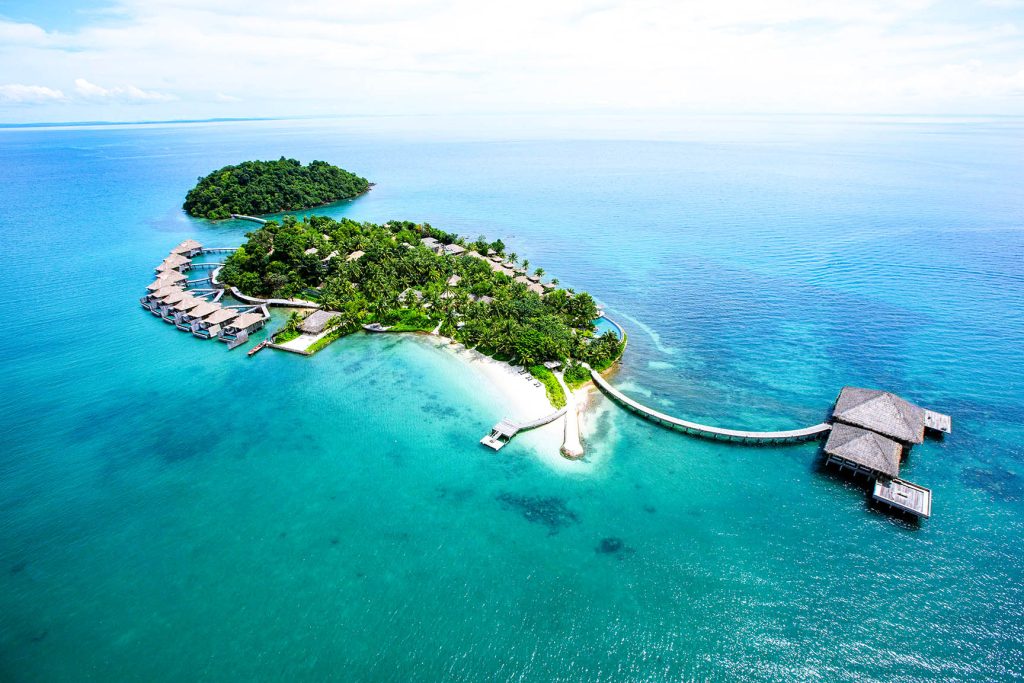
For those seeking relaxation, Sihanoukville is a popular coastal destination in Cambodia. With its white sandy beaches and crystal-clear waters, it’s perfect for unwinding after your adventures. Serendipity Beach and Otres Beach are great spots to soak up the sun.
Island hopping is also popular; nearby Koh Rong offers pristine beaches and vibrant marine life, ideal for snorkeling and diving. Taking boat trips to explore these secluded islands creates lasting memories, adding a serene end to your Vietnam and Cambodia itinerary.
Conclusion
Traveling through Vietnam and Cambodia offers an incredible blend of culture, history, and natural beauty. From the dynamic streets of Ho Chi Minh City to the captivating ruins of Angkor Wat, each destination presents unique charms and experiences. Both countries have a rich tapestry of heritage, stunning landscapes, and vibrant local life, making them must-visit spots in Southeast Asia. With careful planning and a sense of adventure, you can create an unforgettable journey that captures the essence of these beautiful nations.
FAQs
1. What is the best time to visit Vietnam and Cambodia?
The ideal time to visit is during the dry season, from November to March, offering pleasant weather and fewer chances of rainfall.
2. How long should I spend in Vietnam and Cambodia?
A two-week trip is sufficient to explore major highlights in both countries. Ten days can be dedicated to Vietnam and four days for Cambodia, but you can adjust based on your interests.
3. Is travel in Vietnam and Cambodia safe?
Yes, both countries are generally safe for travelers. However, it’s important to remain vigilant and keep an eye on personal belongings, especially in crowded areas.
4. Do I need a visa to visit Vietnam and Cambodia?
Yes, most travelers need a visa to enter Vietnam and Cambodia. However, some nationalities can obtain a visa on arrival, while others may opt for e-visas.
5. What is the local currency in Vietnam and Cambodia?
Vietnam uses the Vietnamese dong (VND), while Cambodia uses the Cambodian riel (KHR). U.S. dollars are widely accepted in both countries, especially in urban areas.