


American Farmers: Feeding the World, One Acre at a Time
Did you know American farmers produce enough food each year to feed over 330 million people—plus millions more abroad? But the process is nothing short of astounding, a blend of science, grit, and innovation.
American farming is an industry like no other. Producing billions of tons of food annually, farmers across the U.S. operate under challenging conditions, using sophisticated techniques to make sure there’s enough to feed not only Americans but also millions around the globe. But how exactly do they achieve this colossal feat? Let’s dig in.
The Power of Scale: How Mega-Farms Dominate the Industry
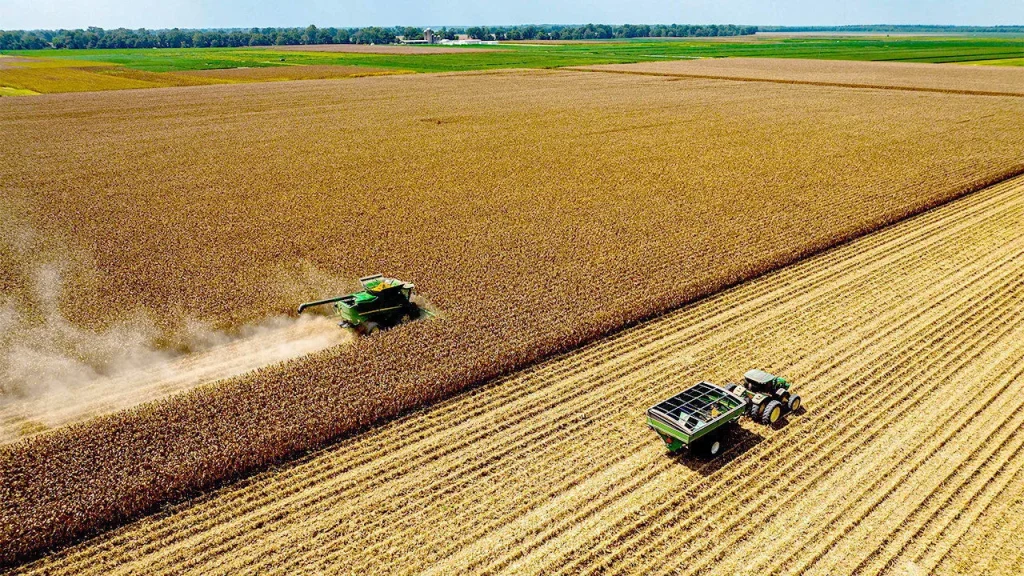
Modern American farming is about working smarter and bigger. Mega-farms in states like Iowa and Nebraska manage thousands of acres, growing staple crops like corn, soybeans, and wheat on an unimaginable scale.
- Intense Cultivation: A single mega-farm might produce over 10 million bushels of corn. That’s enough corn to fill a line of trucks stretching for miles! And it’s not just about quantity; precision farming methods ensure every acre produces as much as possible.
- Machinery Marvels: Equipment like GPS-guided tractors and combines harvest crops with almost no waste. Imagine a tractor that practically drives itself, maximizing efficiency and reducing labor. It’s farming—supercharged.
And just when you think the scale is mind-blowing… there’s a twist. These farms also work to protect the land they cultivate.
Sustainability Meets Scale: Balancing Yield with Conservation
Producing billions of tons of food isn’t just about planting seeds and waiting. American farmers are on the front lines of sustainable practices, ensuring the soil remains fertile and the ecosystem is preserved.
- Soil Health: Techniques like crop rotation and cover cropping help prevent soil depletion. Farmers switch up their crops each year, letting the soil recover naturally. This isn’t just eco-friendly; it’s vital for long-term productivity.
- Water Conservation: With precision irrigation, farmers only use the water they need, minimizing waste. In drought-prone areas, this tech is a game-changer, allowing crops to thrive where nature alone would fail.
But here’s the kicker—sustainable methods often yield more food, not less. Talk about a win-win!
The Science of Seed and Soil: Cutting-Edge Agriculture Technology

American farming isn’t just brawn; it’s brains, too. Behind every high-yield crop is a world of science and research.
- Genetically Modified Seeds: These aren’t your average seeds. Scientists develop strains resistant to pests and extreme weather, giving farmers crops that can handle whatever nature throws at them.
- Soil Testing: Before planting, farmers analyze soil composition to find the perfect balance of nutrients. Think of it as giving crops a custom meal plan for optimal growth.
And the craziest part? These advancements could soon make food shortages a thing of the past.
The Unsung Heroes: Farmers’ Grit and Resilience in the Face of Challenges
Beyond the technology and science, American farming is a tale of resilience. Each year, farmers face unpredictable challenges, from extreme weather to fluctuating market prices. Yet, they keep producing.
- Weather Extremes: Farmers deal with floods, droughts, and sudden frosts, often within the same year. They adapt quickly, sometimes planting early, sometimes late, and always with one eye on the skies.
- Economic Volatility: Prices for crops can swing wildly, but farmers press on. Some call them the “real-life cowboys” of the economy, resilient and unshakable, providing food security for millions.
And you might think they’d get worn down, but American farmers only seem to get tougher with every challenge they overcome.
North Rim vs. South Rim: Which Grand Canyon Experience is Better?
By Town Of Traveller
What’s Next? The Future of American Farming
American farming is on the cusp of a new era. Innovations in robotics, artificial intelligence, and sustainability are changing the landscape.
- Robotics: Robots are already harvesting crops and weeding fields, freeing up farmers to focus on bigger-picture tasks. Imagine farms where human labor is supplemented by fleets of robots working 24/7.
- AI and Big Data: Farmers are using AI to predict crop yields, track market trends, and even anticipate weather patterns. It’s not sci-fi—it’s happening right now on farms across America.
So, what’s the future of American farming? As technology grows, so does the promise of a world where food is abundant, accessible, and sustainable for all. The American farmer’s journey isn’t just about feeding a nation—it’s about paving the way for a global food revolution.
FAQs About American Farming
How do American farmers produce so much food?
Through advanced technology, large-scale farming methods, and sustainable practices, American farmers maximize yield on vast acres of land.
What crops do American farmers produce the most?
Corn, soybeans, wheat, and cotton are among the top crops, but American farmers also produce a wide variety of fruits, vegetables, and livestock.
How has technology impacted American farming?
Technology has revolutionized farming with GPS-guided tractors, genetically modified seeds, and AI-based data analysis, helping farmers produce more efficiently and sustainably.
What challenges do American farmers face?
Farmers face weather extremes, economic volatility, and increasing costs for supplies and land, but their resilience allows them to continue providing for the nation.
Is American farming sustainable?
Yes, many farmers adopt sustainable practices like crop rotation, soil health management, and water conservation to protect the environment and ensure future productivity.
What is the future of American farming?
The future looks bright, with advancements in robotics, artificial intelligence, and sustainable methods transforming how food is grown and harvested, promising higher yields and greater resilience.